
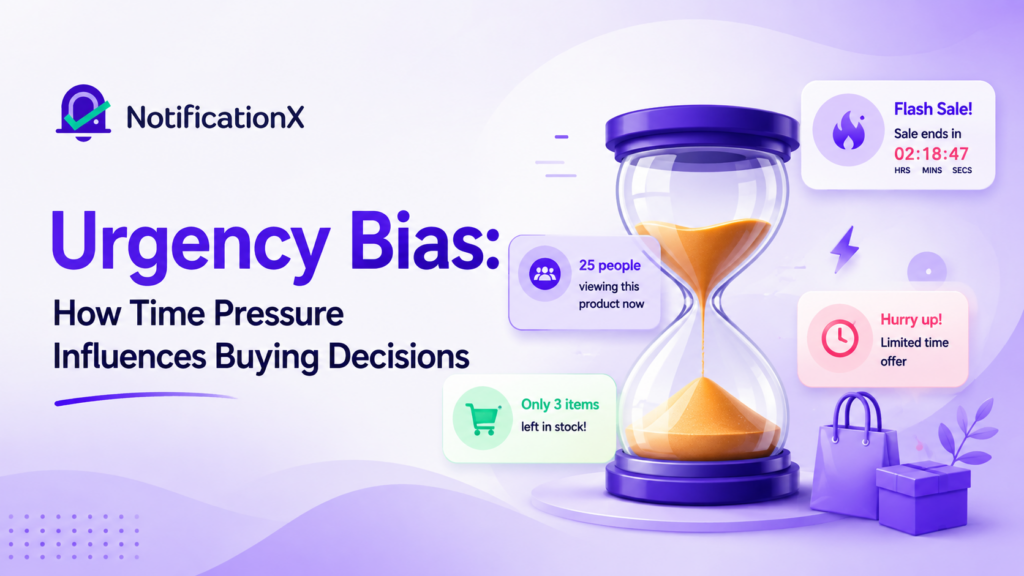
Have you ever bought something just because a countdown timer was about to hit zero?? That reaction has a name. It is called urgency bias and it shapes far more buying decisions than most shoppers realize. When people feel they are running out of time, they stop weighing options and start acting fast.
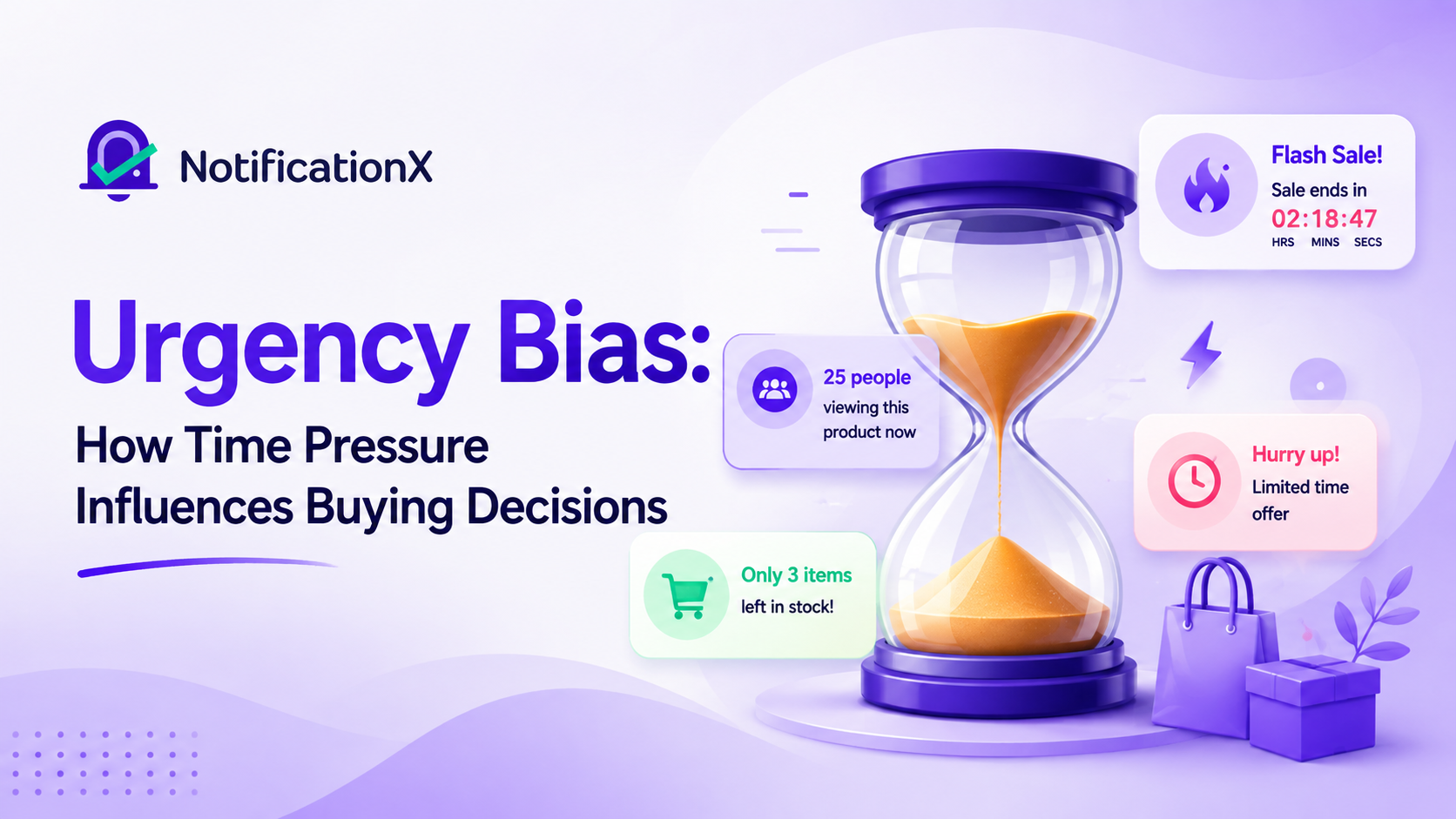
For online store owners, this is one of the most powerful tools in marketing. When you understand how time pressure works on the human brain, you can guide visitors toward action in an honest way. In this blog, you will learn what urgency bias is, why it drives buying decisions and how to use it without breaking customer trust.
Quick Summary / TL;DR
- Urgency bias is the tendency to act fast and skip careful thinking when time feels limited.
- Time pressure pushes shoppers toward emotional, impulsive choices rather than logical ones.
- Countdown timers can lift conversions by 8% to 32% across eCommerce studies.
- Roughly 60% of consumers say they have made a purchase because of FOMO.
- The rule that separates ethical urgency from manipulation is simple: only show urgency that is real.
What Is Urgency Bias?
Urgency bias is a mental shortcut. It is the human habit of giving more weight to things that feel urgent than to things that are truly important. When a deadline appears, the brain shifts into fast mode. It stops comparing and starts deciding.
This bias is not new. It helped humans survive for thousands of years. A limited chance often meant a real need to act now. Today, that same instinct shows up when a shopper sees a limited-time offer or a flash sale timer counting down.
The result is a faster decision. Under time pressure, people focus on what they might lose, not on what they might gain. This is why urgency is such a strong force in consumer behavior و conversion rate optimization.
The Psychology Behind Time Pressure And Buying Decisions
To use urgency well, you need to understand why it works. Several cognitive biases combine to make time pressure so effective. Let us break them down one by one.
1. Loss Aversion Makes Time Pressure Feel Real
People feel the pain of losing something about twice as strongly as the joy of gaining something equal. This idea comes from the research of Daniel Kahneman and Amos Tversky on loss aversion.
When a shopper sees “Sale ends in 2 hours,” they are not just reading a message. They are running a quick mental math about what they could miss. That feeling of possible loss is stronger than the pull of a plain discount. This is the engine behind فومو, the fear of missing out.
2. Scarcity Raises Perceived Value
Robert Cialdini identified scarcity as one of the universal principles of persuasion. When something is rare or fading fast, the brain assigns it a higher value.
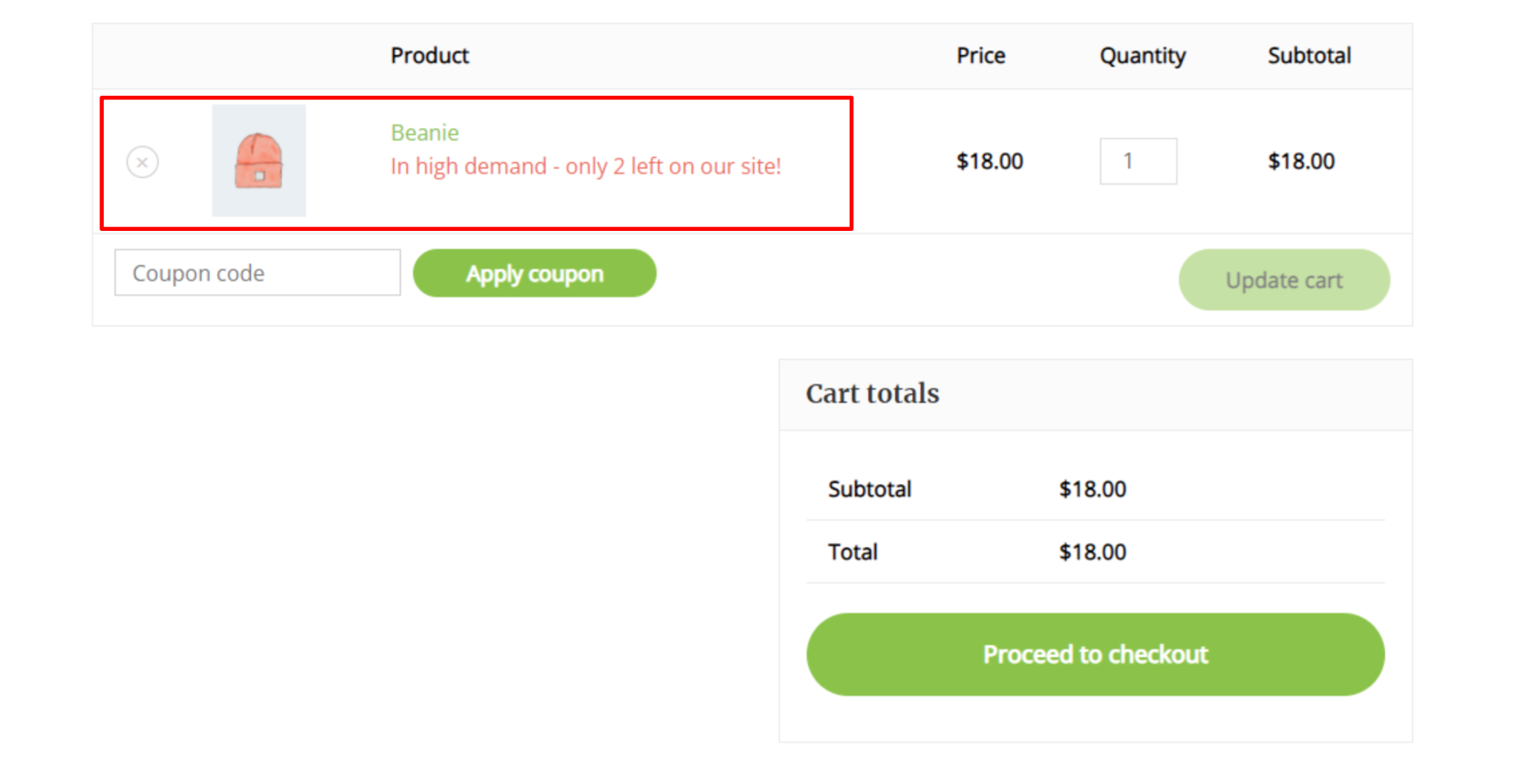
This is not always irrational. In the past, scarcity often meant a product was in real demand. A message like “Only 3 left in stock” taps into this instinct. One study by CXL found that showing real-time stock levels increased conversion rates by up to 17.8% in high-traffic stores.
3. Temporal Discounting Favors the Now
People value immediate rewards more than future ones. This is called temporal discounting. A deal you can grab today feels more real than the same deal next month.
A limited-time offer removes the option to wait. It turns a vague “maybe later” into a clear “now or never.” That shift is what pushes hesitant shoppers to act.
4. Time Pressure Fuels Impulsive Buying
Research supports the link between time pressure و impulsive buying. One academic study on time pressure and impulsive buying found that time pressure has a positive relationship with impulse purchases, driven more by emotion than by logic
When time runs short, shoppers have less room to gather information. They lean on gut feeling. As Tversky and Kahneman noted, intuition under pressure can raise the sense of benefit and lower the sense of risk. The outcome is a faster, more emotional purchase.
How Urgency Bias Shows Up in Real Marketing
You have seen urgency bias in action many times, even if you did not name it. Here are the most common ways brands put time pressure to work and how NotificationX helps you create each one on WordPress without code.
1. Countdown Timers
A countdown timer is the clearest form of urgency. It turns an abstract deadline into a ticking clock. تظهر الدراسات countdown timers can lift conversions by 8% to 32% across eCommerce, with the highest gains from timers tied to shipping deadlines.
Brands like Amazon, Booking.com and Ticketmaster use timers to speed up decisions. To see how leading brands do this, read the guide on countdown timer examples.
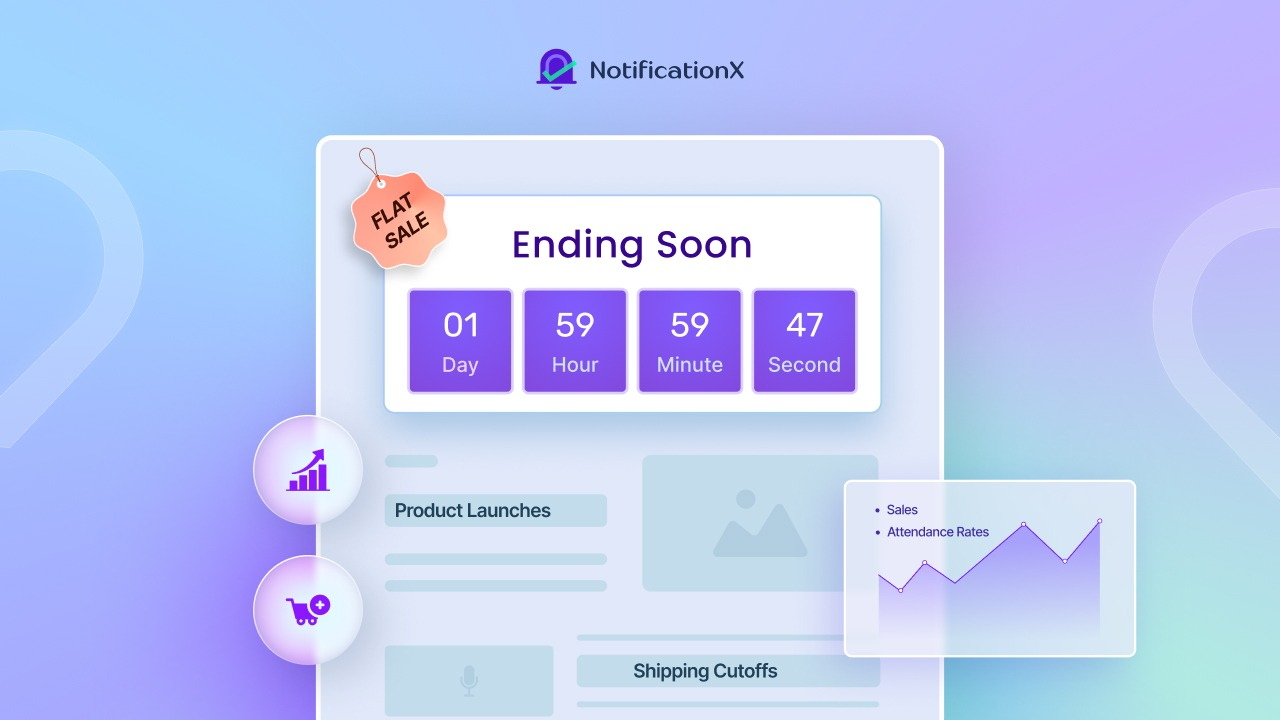
However, with NotificationX, you can add the same kind of timer through the شريط الإشعارات. Pick a ready template, set a real end time and go live in minutes. NotificationX gives you two options.
A fixed countdown shows one true end time to everyone, ideal for a real flash sale. An مؤقت دائم الخضرة creates a unique countdown for each visitor using cookies, so you can run an always-on offer without faking a sitewide deadline.
2. Flash Sales And Limited-Time Offers
أ flash sale combines a low price with a short window. This mix is powerful. The discount grabs attention and the deadline forces a choice. Together, they trigger both scarcity and loss aversion at once.
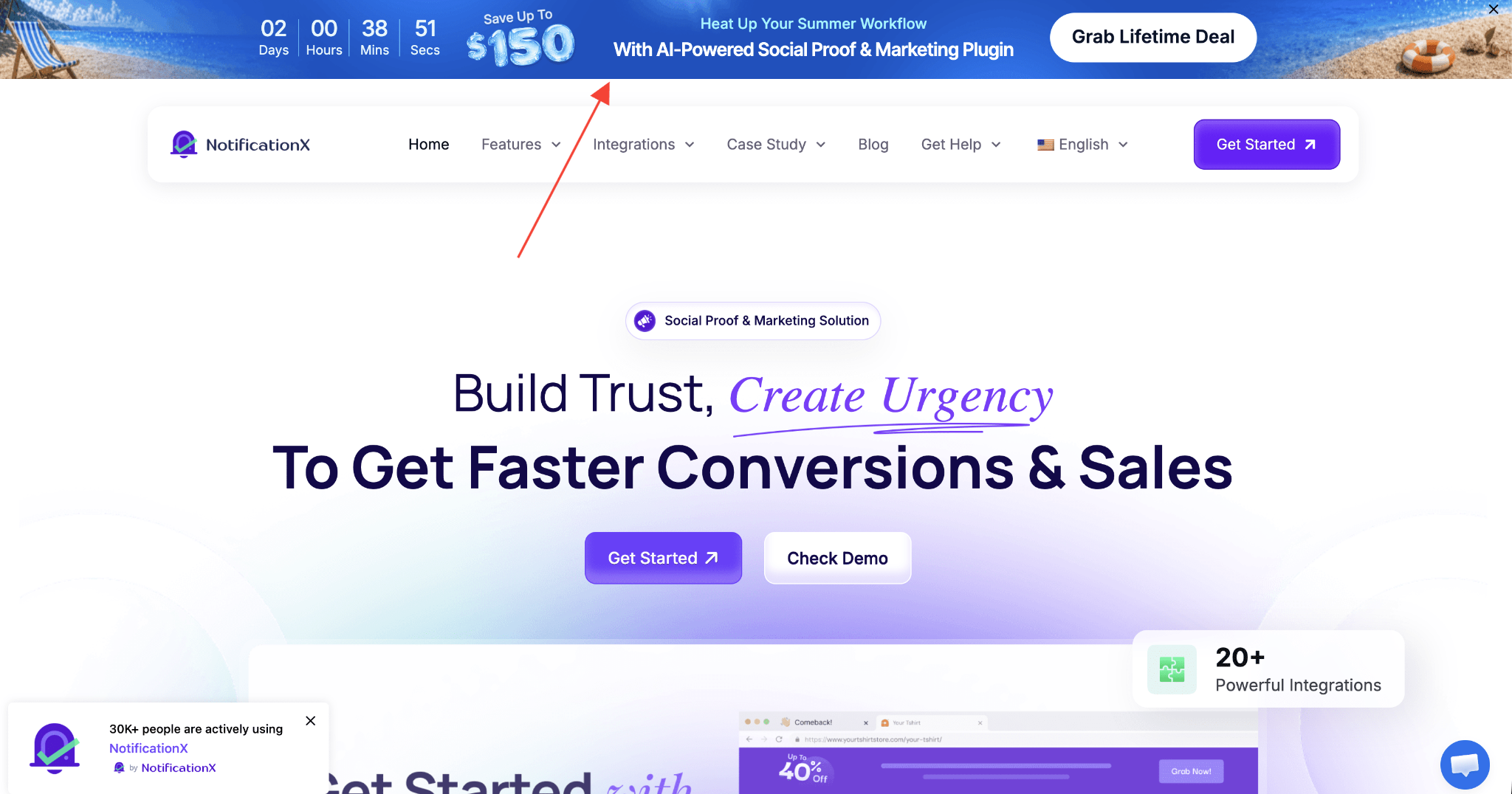
NotificationX makes this simple with discount alerts. You can announce your limited-time offer in an eye-catching bar, add a countdown to the sale end time and match the design to your brand color and typography. Because the bar works with both Elementor and Gutenberg, you have full freedom over how the offer looks on your site.
3. Low Stock Warnings
Messages like “Only 2 left” add a second layer of urgency. They signal both scarcity and demand. When shoppers see stock running low, they worry someone else will grab the item first.
You can power this with live sales and growth alerts from NotificationX. By connecting the WooCommerce integration, your alerts can reflect real product activity and recent purchases. A “someone just bought this” message pairs naturally with a timer, giving you the two-signal urgency that top stores rely on.
4. Cart And Checkout Timers
Global cart abandonment sits around 70%, according to the Baymard Institute. A well-placed cart timer addresses the hesitation that drives abandonment. It gives the shopper a reason to finish now instead of leaving to think.
NotificationX lets you place a countdown right where the decision happens. Tie the timer to a real sale end time or shipping cutoff through كتب مريم الدخيل لاكاديمية الثراء & many more integrations. This keeps the deadline genuine while nudging hesitant buyers to complete checkout.
5. Exit-Intent Offers
When a visitor is about to leave, a last-chance offer with a short deadline can pull them back. This is urgency used at the exact moment of doubt.
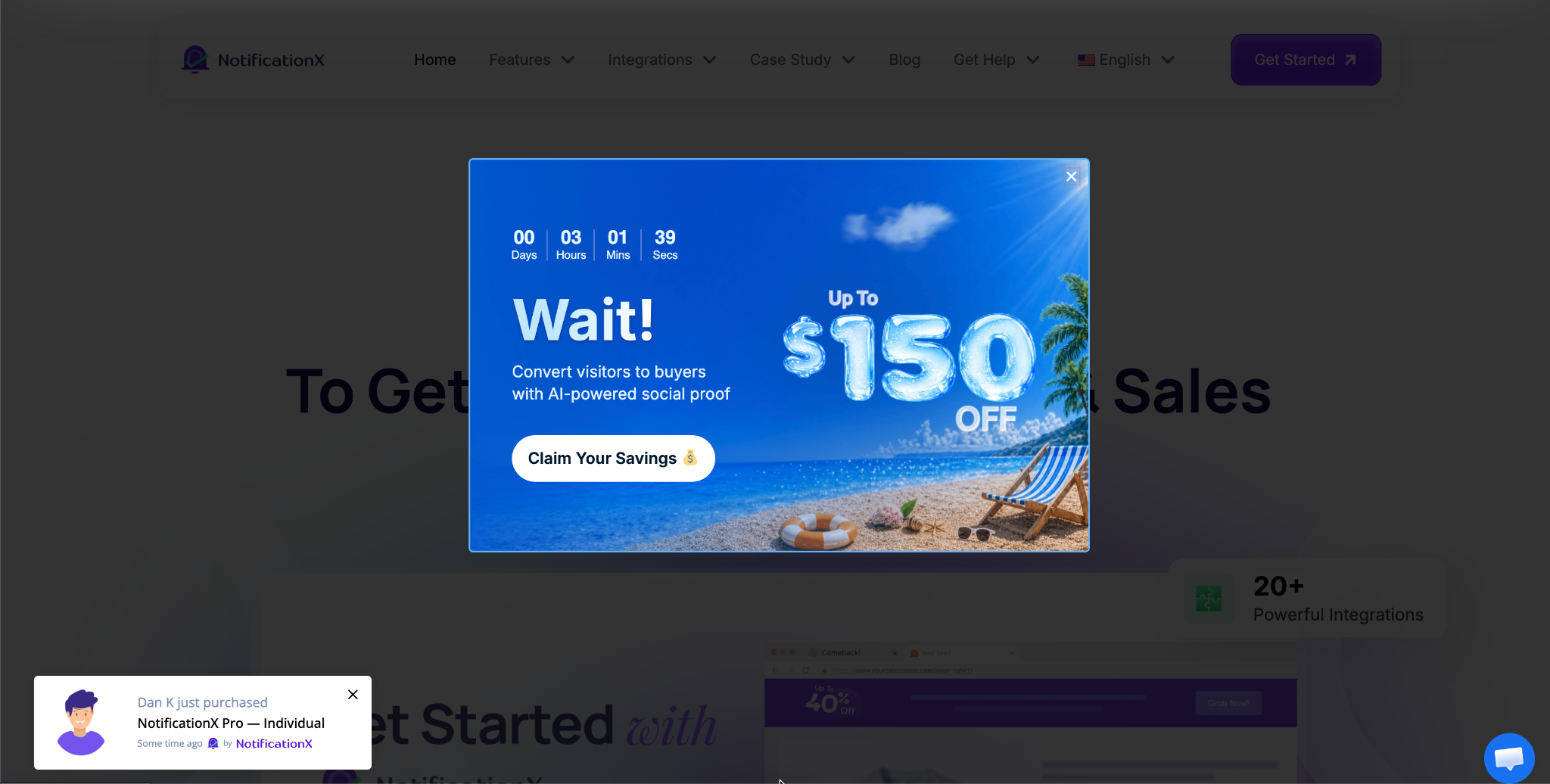
NotificationX helps you catch these visitors with display and reappearance rules that surface a countdown to the right audience at the right time. To see how this works in practice, read our guide on the AI-powered exit intent popup. You can present a short-window offer as the shopper moves to leave, turning a lost visit into one more chance to convert.
How Urgency Bias Works When There Is No Flash Sale
Most people think urgency only belongs to a big sale event. That is not true. Your store creates buying decisions every single day, even when no discount is live. The trick is to build always-on urgency that stays honest. Here are two ways to do it without inventing a fake deadline.
1. Evergreen Countdown Timers
An evergreen countdown timer gives each visitor a personal deadline instead of one shared sitewide clock. When a shopper lands on your page, a cookie starts a fresh countdown just for them. The offer feels time-limited to that person, but you are not pretending the whole store is about to close a sale.
This matters because a real flash sale cannot run forever. An evergreen timer lets you keep a standing offer, like a first-order discount or a welcome deal, and still trigger loss aversion in every new visitor. The deadline is true for the individual, so the pressure is real rather than staged.
With NotificationX, you can set up an evergreen timer in the notification bar in a few minutes. Pick the duration, connect it to a genuine offer and let each visitor get their own window. This is the honest way to run evergreen urgency without resetting a public clock every time someone reloads the page.
2. Sales Alert Notifications
The second method needs no timer at all. A sales alert, sometimes called a live sales notification, shows recent buyer activity in a small popup. A message like “Sarah from Austin just bought this” tells the shopper that other people are acting right now.
This is دليل اجتماعي و فومو working together. The visitor sees real demand and feels a quiet push to keep up. There is no countdown, yet the sense of “act now” is still there. The urgency comes from live activity instead of a deadline.
Because these alerts pull from real orders through the WooCommerce integration, every message reflects a true purchase. Nothing is faked. You are simply surfacing activity that already happened. This gives you steady, everyday urgency that runs on autopilot, long after any flash sale has ended.
Together, evergreen timers and sales alerts prove an important point. Urgency bias is not a sale-day tactic. It is an everyday force you can use with honesty, whether or not a discount is live.
The Ethical Line: Real Urgency vs Fake Urgency
Here is the most important part. Urgency bias is a tool and tools can be misused. There is a clear line between honest urgency and manipulation.
Real urgency reflects a true deadline or a real limit. A genuine flash sale that ends at midnight is honest. A shipping cutoff of “order in 3 hours for delivery by Friday” is helpful. These respect the shopper.
Fake urgency is different. A timer that resets every time the page reloads is a lie. A “last chance” message that never ends trains customers to ignore you. Worse, modern shoppers screenshot timers and expose fake urgency on social media.
Fake urgency can also break the law. In many regions, manufactured scarcity has led to enforcement actions against deceptive advertising. Beyond legal risk, it causes lasting brand damage. As one marketing analysis on scarcity and urgency notes, false urgency used only to pressure buyers hurts long-term trust.
The rule is simple. Only show urgency that is actually true.
How to Use Urgency Bias the Right Way
You can put urgency bias to work without tricking anyone. Follow these principles to build time pressure that converts and keeps trust intact.
- Use genuine deadlines only. Tie every timer to a real event. A real sale, a real shipping cutoff, or a real launch date. Never fake the clock.
- Frame with loss language. “Your 40-dollar discount expires at midnight” beats “Save 40 dollars.” The loss frame taps into loss aversion and converts it into a higher.
- Place urgency where the decision happens. The strongest spots are the announcement bar, the area below the Add to Cart button, the cart or checkout, and exit-intent popups.
- Match duration to intent. Use short 5-to 15-minute timers for cart urgency. Use 24- to 72-hour windows for flash sales. Use a week or month scale for launches.
- Pair urgency with real scarcity. A timer plus “only 3 left in stock” works better than a timer alone. Two honest signals reinforce each other.
Influence Buying Decisions with Urgency Bias
Urgency bias is a deep part of how people make buying decisions. When time feels short, shoppers act on emotion and move faster. This instinct is not a trick you invent. It is a real pattern in consumer behavior that you can work with.
The key is respect. Ethical urgency helps buyers make timely choices about things they already want. Fake urgency wins one sale and loses a customer. Choose the honest path and time pressure becomes a tool that serves both your store and your shoppers.
Ready to turn urgency into a conversion asset that respects your audience? Explore NotificationX pricing and start building honest urgency today. Liked the blog? Do اشترك في مدونتنا and join the community for marketing updates, tips & more.
Frequently Asked Questions (FAQs)
What is urgency bias in simple terms?
Urgency bias is the human tendency to act quickly and skip careful thinking when time feels limited. In shopping, it makes people buy faster when they see a deadline or a limited offer, often based on emotion rather than logic.
Does time pressure really change buying decisions?
Yes. Research shows time pressure pushes shoppers toward impulsive, emotional choices. With less time to gather information, buyers lean on gut feeling, which raises their sense of benefit and lowers their sense of risk.
Are countdown timers effective for sales?
Countdown timers can increase conversions by 8% to 35% when tied to genuine offers. Shipping deadline timers tend to perform best because they are always real and helpful to the customer. Fake timers, however, can lower trust and hurt sales.
Is using urgency bias manipulative?
It depends on how you use it. Urgency tied to a real deadline or real limit is honest and even helpful. Fake urgency, such as timers that reset on refresh, is manipulative, can damage your brand and may break consumer protection laws.
How can I add urgency to my WordPress site?
You can use a plugin like NotificationX to add countdown timers, notification bars and FOMO alerts without code. It offers both fixed and evergreen timers, so you can create real urgency while staying honest with your visitors.





 English
  Arabic
  Indonesian
  Spanish
  Portuguese
  German
  Dutch
Dutch  Russian
  Hindi
Hindi  French
  Japanese
  Chinese
  Vietnamese
  Malay
Malay