
When making a purchase, people are more likely to trust other people than a brand’s marketing messages. According to Nielsen, 92% of consumers trust recommendations from individuals over branded messaging, making endorsements one of the most powerful ways to build credibility and influence buying decisions.
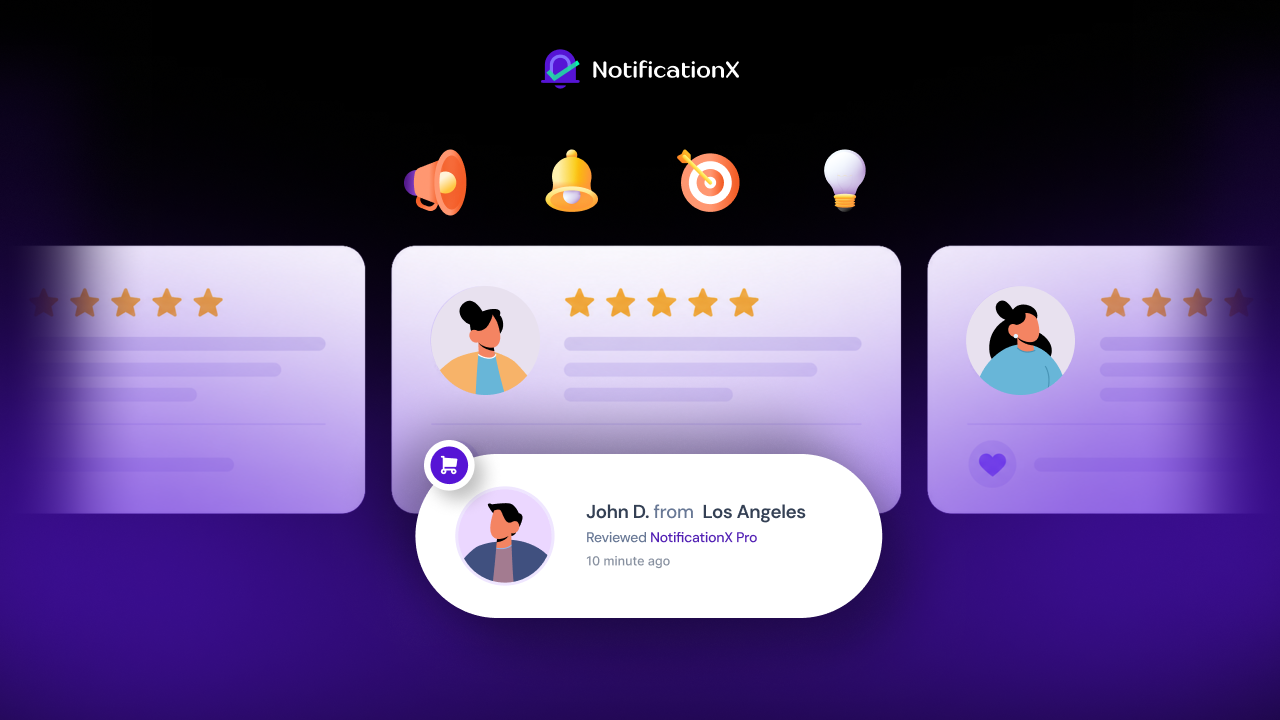
From royal endorsements centuries ago to today’s influencers, customer reviews and expert recommendations, the format has evolved, but the psychology has not. Authentic endorsements continue to shape consumer decisions, build brand trust and drive conversions.
In this guide, you will learn what endorsements in marketing are, explore the six main types, examine 10 real-world examples and discover a practical framework for choosing the right endorsement strategy for your business.
Quick Summary / TL;DR
- An endorsement in marketing is a public recommendation of a product or service by a third party, used to influence consumer purchase decisions.
- The 6 main types are celebrity, influencer, expert, customer, co-branding and authority or third-party endorsements.
- Endorsements work because of the Halo effect, social proof, authority bias and trust transfer.
- The Nike and Michael Jordan partnership remains the gold standard, generating over $7 billion in annual revenue from the Jordan brand alone.
- For small and medium businesses, customer endorsements (real-time activity, reviews, testimonials) deliver the highest scalable return at the lowest cost.
What Are Endorsements in Marketing?
An endorsement in marketing is a public statement, recommendation, or visible product use by a third party that vouches for a brand, with the intent of influencing consumer purchase decisions.
It can take many forms:
- A celebrity holding a can of soda in a commercial,
- An athlete wearing a specific pair of running shoes on the track,
- A dermatologist recommending a skincare line, or
- An everyday customer posting a glowing review after a good experience.
The third party is typically a celebrity, an influencer, an expert, or a satisfied customer, and the relationship behind the endorsement may be paid, unpaid, or built on an ongoing partnership that spans years and multiple campaigns.
What ties all these forms together is a simple mechanism: someone the audience recognizes or trusts lends their credibility to a product, and a portion of that credibility transfers to the brand. The endorser essentially says, “I stand behind this,” and their reputation becomes part of the offer.
For a recommendation to qualify as a true endorsement, three elements must be present:
- The voice must come from outside the brand itself. The endorser is a separate party with their own identity, reputation, and audience — not the marketing department writing in the company’s name.
- The statement must be public rather than private. A friend privately texting you a product suggestion is word-of-mouth; the same person praising that product on Instagram to their followers is an endorsement, because it’s made in the open and meant to reach an audience.
- There must be an intent to influence buying behavior, even if that influence is indirect. The goal doesn’t have to be an immediate sale — it can be shaping perception, building awareness, or nudging someone toward a brand they’ll choose weeks later.
Endorsements differ from direct advertising in one important way. Direct advertising is the brand speaking for itself — the company describing its own virtues, listing its own features, making its own promises. An endorsement is someone else speaking for the brand.
That difference, small as it sounds, changes how the human brain processes the message. We are naturally skeptical of self-promotion, because we understand the seller has an obvious motive to make the product look good.
But we tend to trust the perspective of someone we believe has nothing to gain — or someone who has earned the authority to recommend — far more than we trust the company doing the selling. That transfer of trust is the entire reason endorsements work, and it’s why brands are willing to pay millions to borrow it.
The 6 Types of Endorsements in Marketing
The endorsement category has expanded significantly over the past two decades. Modern marketers can choose from six main types, each with its own audience expectations, cost structure and ideal use case.
1. Celebrity Endorsements
Bron: Digital Sport
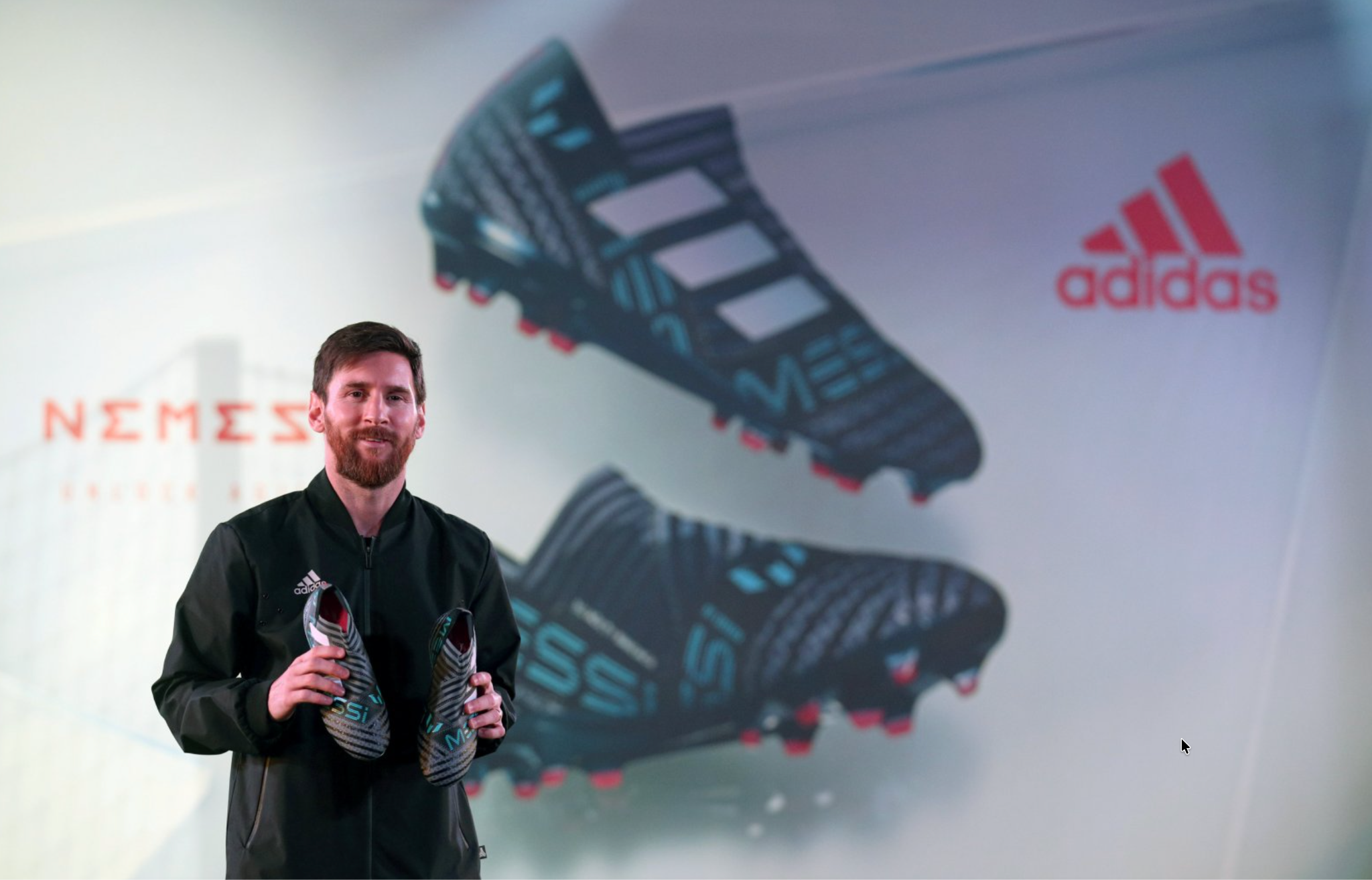
A celebrity endorsement uses a globally or regionally famous person to promote a brand. Athletes, actors, musicians and reality television figures fall into this category. The appeal is reach and recognition. The risk is high cost and brand exposure if the celebrity gets into controversy.
2. Influencer Endorsements
An influencer endorsement uses a content creator with a built-in audience to recommend products to their followers. Influencers are typically classified by audience size: nano (under 10,000 followers), micro (10,000 to 100,000), macro (100,000 to 1 million) and mega (over 1 million). According to 2026 influencer market research, the global influencer marketing industry reached $33 billion in 2025 and is projected to exceed $40 billion in 2026.
The trust dynamic is significant: Shopify’s 2025 influencer marketing analysis found that 69% of consumers trust influencer recommendations over information that comes directly from a brand.
3. Expert Endorsements
An expert endorsement comes from a credentialed authority figure in a specific field. Doctors, dentists, scientists, certified professionals and industry analysts fall into this category. The classic example is the “9 out of 10 dentists recommend” formulation used by toothpaste brands for decades.
Expert endorsements work best in regulated or technical categories (health, finance, beauty, B2B technology) where consumers actively look for authoritative validation before purchasing.
4. Customer Endorsements And Testimonials
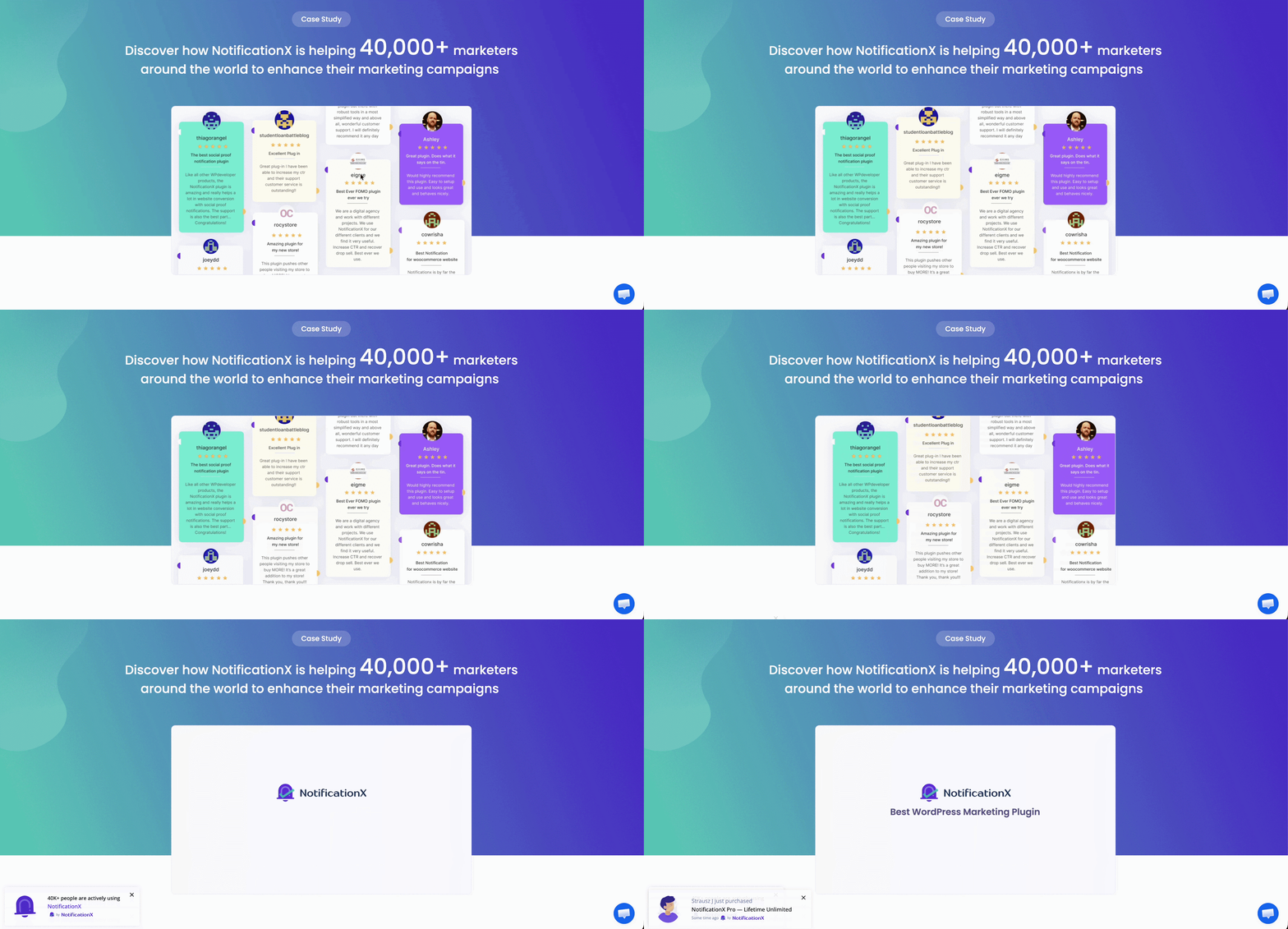
A customer endorsement is a public statement from a satisfied buyer. This includes written testimonials, video reviews, star ratings, case studies and real-time activity notifications showing recent purchases. Customer endorsements are the most scalable type because every transaction is a potential endorsement asset.
5. Co-Branding Endorsements
A co-branding endorsement happens when two brands publicly partner in a way that signals mutual approval. The McDonald’s x Travis Scott Meal, the Adidas x Yeezy collaboration during its peak and Spotify Wrapped sharing across social platforms are all examples. Each brand effectively endorses the other to its audience.
6. Authority And Third-Party Endorsements
An authority endorsement comes from a respected institution rather than an individual. Industry awards, press features in major publications, certifications and editorial picks all fall into this category. “As Featured In” media logo strips on websites are the most common visual format.
Why Endorsements Work (The Psychology Behind Them)
Endorsements activate several well-documented cognitive biases at once, which is why they often outperform straight advertising on the same metric. Rather than persuading through argument, they work by tapping into mental shortcuts the brain already uses to make fast decisions. Below are the four psychological drivers that do the heavy lifting.
The Halo Effect
The Halo effect is the strongest driver. When consumers see a trusted or admired figure using a product, they unconsciously transfer the positive attributes of the person onto the product. The athlete is fast and disciplined, so the shoe must be fast and well-engineered. The dermatologist is knowledgeable and precise, so the serum she recommends must be effective. The consumer never consciously reasons through this chain. The association forms on its own, and the product inherits qualities it did nothing to prove.
A classic example is a fragrance campaign fronted by an elegant, glamorous actress. The perfume itself has no inherent elegance; it is a liquid in a bottle. But the audience’s admiration for the actress spills over onto the product, and the scent starts to feel sophisticated by association. According to research on endorsement psychology compiled by Impact Wealth, the Halo effect translates directly to results: Statista data shows businesses earn $5.78 for every $1 spent on influencer marketing.
Sociaal bewijs
Social proof is the second driver. Humans look to the behavior of others to inform their own decisions, especially in situations of uncertainty. When we do not know which option to choose, we assume that if many people have chosen something, it is probably a safe bet. Visible signals that a product is widely used, follower counts, review numbers, “bestseller” tags, or simply seeing lots of people carry the same item, lower the perceived risk of buying it.
This is why a skincare brand will highlight that “over 2 million bottles sold,” or why an influencer showing a product to hundreds of thousands of engaged followers is so persuasive. The endorsement is not just one person’s opinion; it is implicit evidence that a crowd has already validated the choice. The more the audience resembles the consumer- same age, same lifestyle, same problems- the stronger the effect, because we trust the judgment of people we see as “like us.”
Authority Bias
Authority bias is the third driver, and it works by short-circuiting the consumer’s evaluation work. When someone with recognized expertise or credentials endorses a product, people tend to defer to that judgment instead of investigating for themselves.
We are conditioned from childhood to trust doctors, scientists, and specialists, so when an authority figure vouches for something, the brain treats it as pre-verified and skips the effortful step of scrutinizing the claim.
The mechanism is essentially a trust-for-effort trade: evaluating a product properly takes time and knowledge the average buyer doesn’t have, so a credible expert’s stamp becomes a convenient substitute for doing that work.
A real-life use case brands can follow is the “expert-backed” positioning — a toothpaste brand featuring a dentist in a white coat stating the product is “recommended by dental professionals,” or a supplement company partnering with a nutritionist who explains the science behind the formula.
To use this driver well, the authority needs genuine, relevant credentials (a real dentist for oral care, not a generic celebrity), and increasingly, the endorsement should be transparent about any paid relationship — because a credential that feels manufactured can backfire and erode the very trust it was meant to build.
Trust Transfer
Trust transfer is the fourth driver, where the credibility a person has earned in one context carries over to the products they endorse. An influencer who has spent years giving honest, useful advice builds a reservoir of trust with their audience, and that trust extends to their recommendations — at least until it is abused.
This is closely related to the Halo effect but distinct: the Halo effect transfers admired traits, while trust transfer specifically moves earned credibility. It is also why a mismatched endorsement feels jarring: when a person recommends something outside the domain they’re trusted in, the transfer weakens, and the audience senses the gap.
The combined effect of these four drivers is measurable. Endorsements consistently outperform brand-led messaging in trust scores, recall rates, and purchase intent, especially when the endorser-product fit is strong.
10 Real Examples of Endorsements in Marketing
Here are ten endorsements in marketing that show the full range of what is possible. Eight are wins, two are cautionary and one is the modern shift toward customer endorsements at scale.
1. Nike And Michael Jordan
Type: Celebrity Endorsement
Psychological Driver: Halo Effect
Bron: feature.com
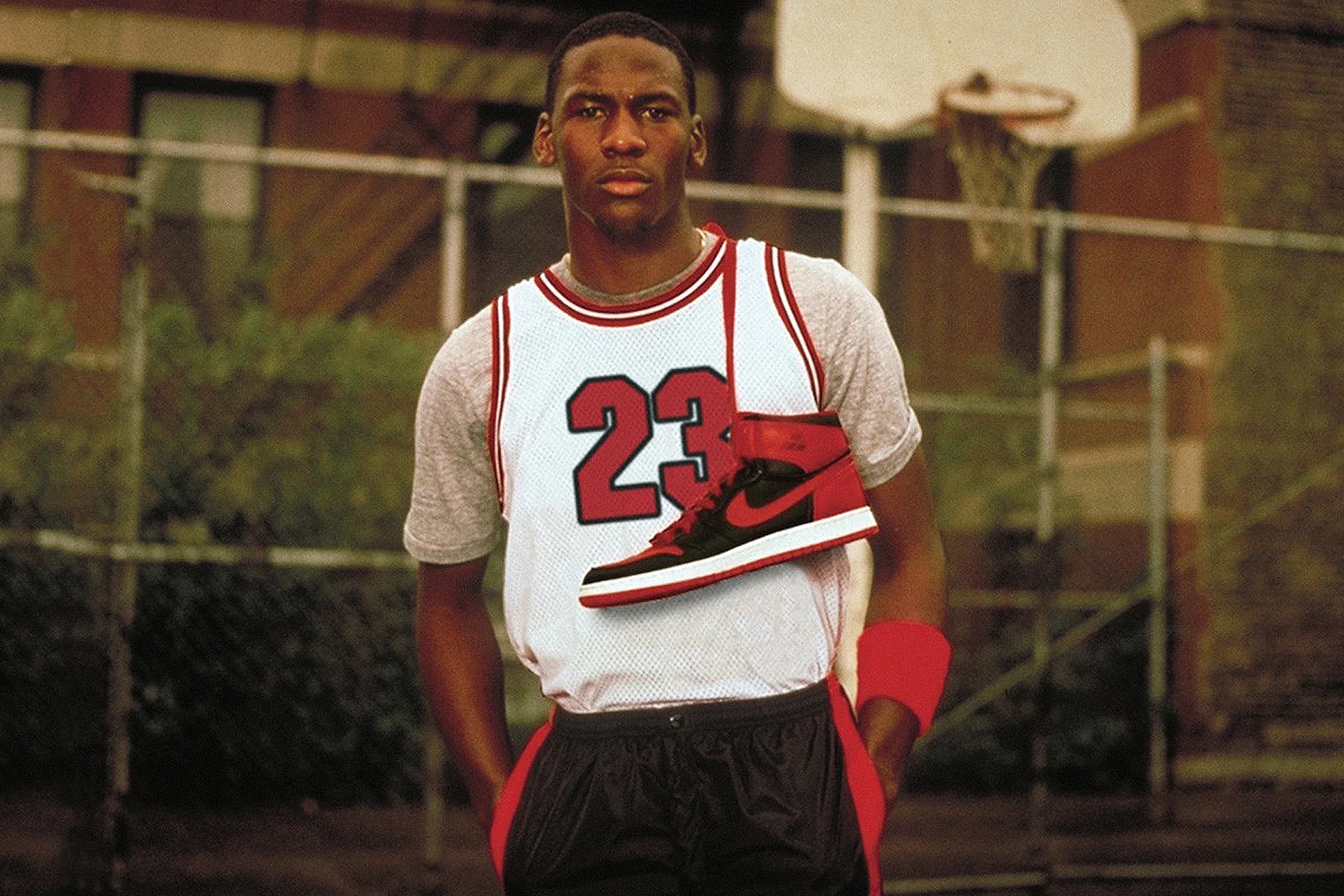
Signed in 1984 for $500,000 a year over five years. The Jordan brand has since generated over $7 billion in annual revenue for Nike, according to an analysis of historic celebrity endorsements. The partnership is widely considered the gold standard of celebrity endorsement.
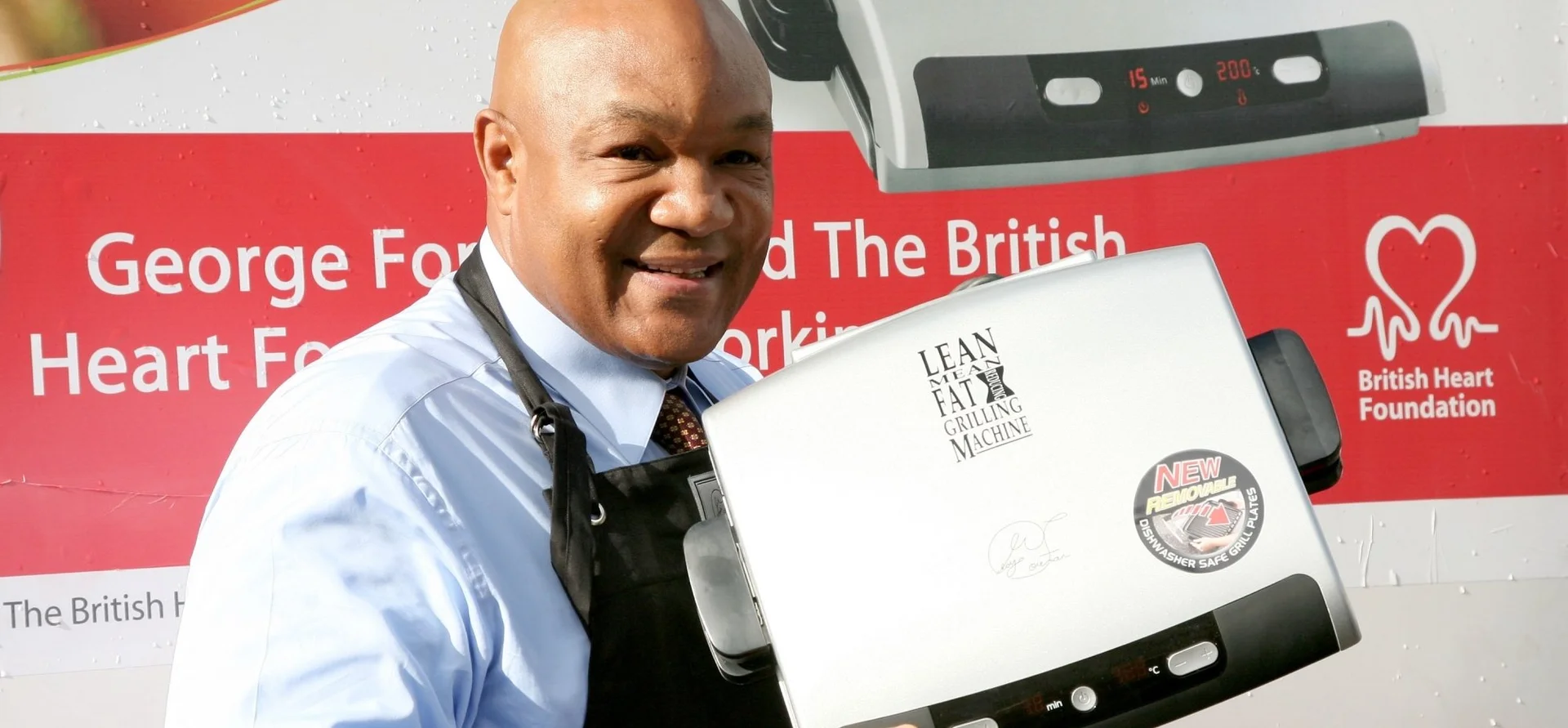
2. George Foreman And the George Foreman Grill
Type: Celebrity Endorsement
Psychological Driver: Trust Transfer
Bron: inc.com
A retired boxer became the face of a small countertop grill in 1994. He went on to earn more than $137 million, with over 100 million units sold over the next decade. Industry analysis of historic endorsement deals credits the deal’s success to genuine product enthusiasm rather than scripted promotion.
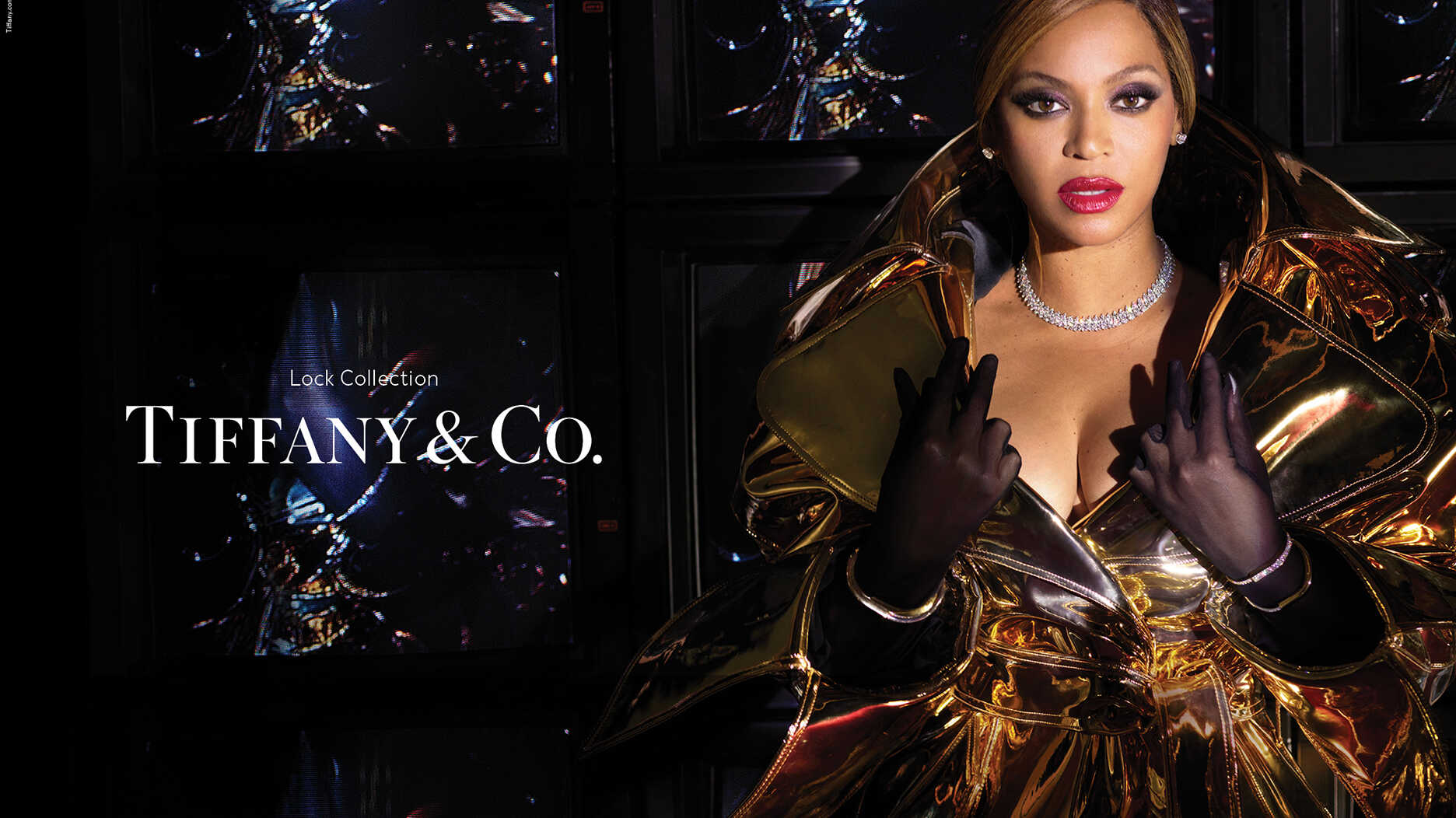
3. Beyoncé And Tiffany & Co.
Type: Celebrity Endorsement
Psychological Driver: Halo Effect
Bron: National Jeweler
The 2021 “About Love” campaign featured Beyoncé wearing the 128-carat Tiffany diamond. She became the fourth woman in over a century to wear the iconic stone and the campaign drove significant lift in brand awareness for a younger demographic.
4. Ryan Reynolds And Mint Mobile
Type: Founder-Led Endorsement
Psychological Driver: Trust Transfer
A founder-led endorsement where Reynolds owns equity in the company he promotes. The brand was sold to T-Mobile for $1.35 billion in 2023, with the endorsement campaign credited as the primary growth driver.
5. Billie Eilish And Nike Air Jordan
Type: Influencer Endorsement
Psychological Driver: Halo Effect
A 2022 partnership built around vegan, sustainable Air Jordan silhouettes. The campagne captured Gen Z attention while reinforcing Nike’s sustainability positioning.
6. Oprah Winfrey And WeightWatchers
Type: Founder-Led / Celebrity Endorsement
Psychological Driver: Trust Transfer
Oprah joined the board and bought a 10% stake in 2015 and publicly used the product. The endorsement was viewed as authentic because Oprah had financial alignment with the brand’s success.
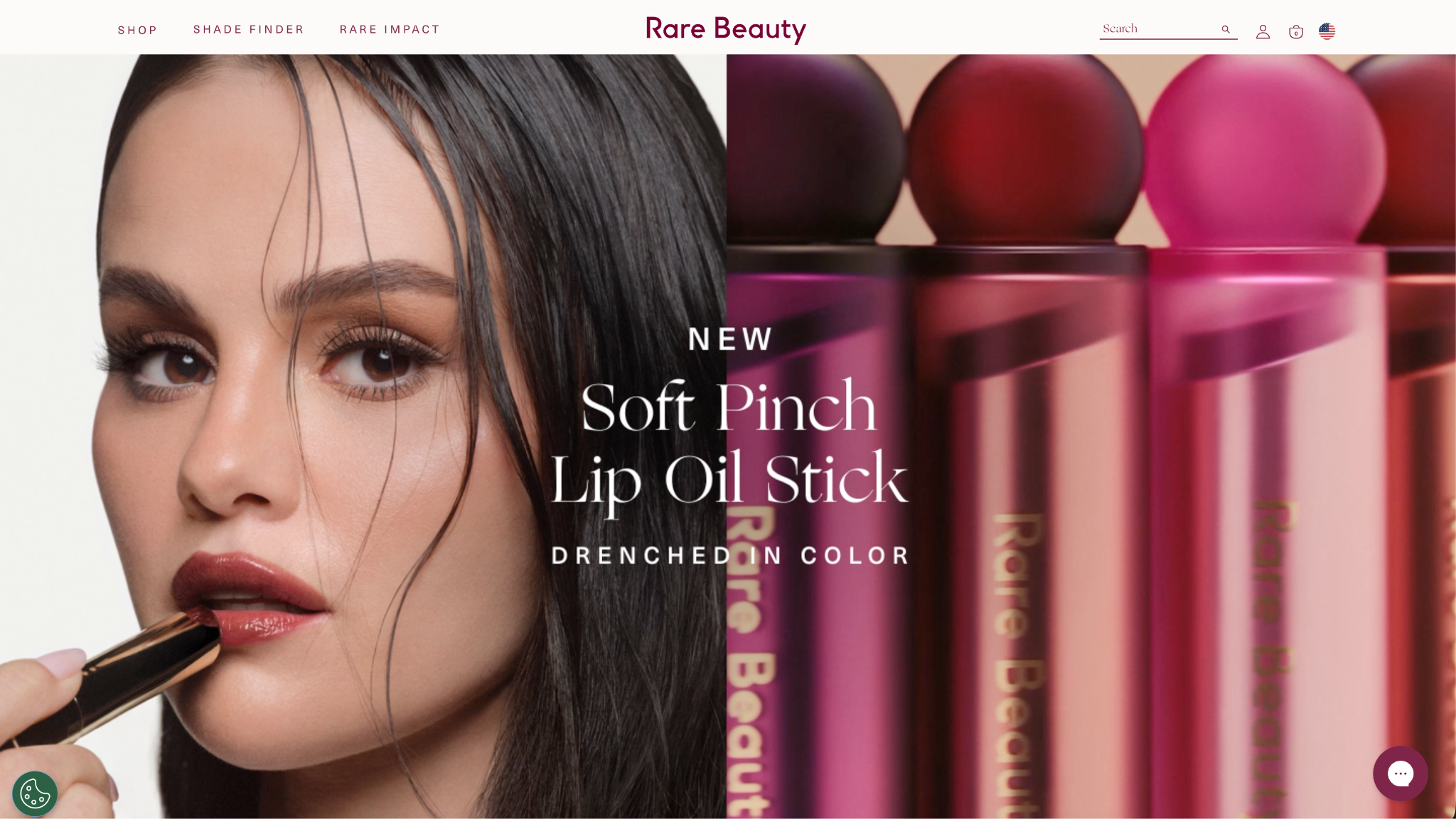
7. Selena Gomez and Rare Beauty
Type: Founder-Led Endorsement
Psychological Driver: Trust Transfer
Bron: Rare Beauty
A celebrity-founded brand where the endorsement is the brand. Gomez’s mental health advocacy gave the product line emotional credibility that paid celebrity ambassadors cannot replicate.
8. Colgate and “9 out of 10 dentists recommend.”
Type: Expert Endorsement
Psychological Driver: Authority Bias
A decades-long expert endorsement formula that has shaped how toothpaste brands position themselves. The format works because it borrows credibility from a profession consumers already trust.
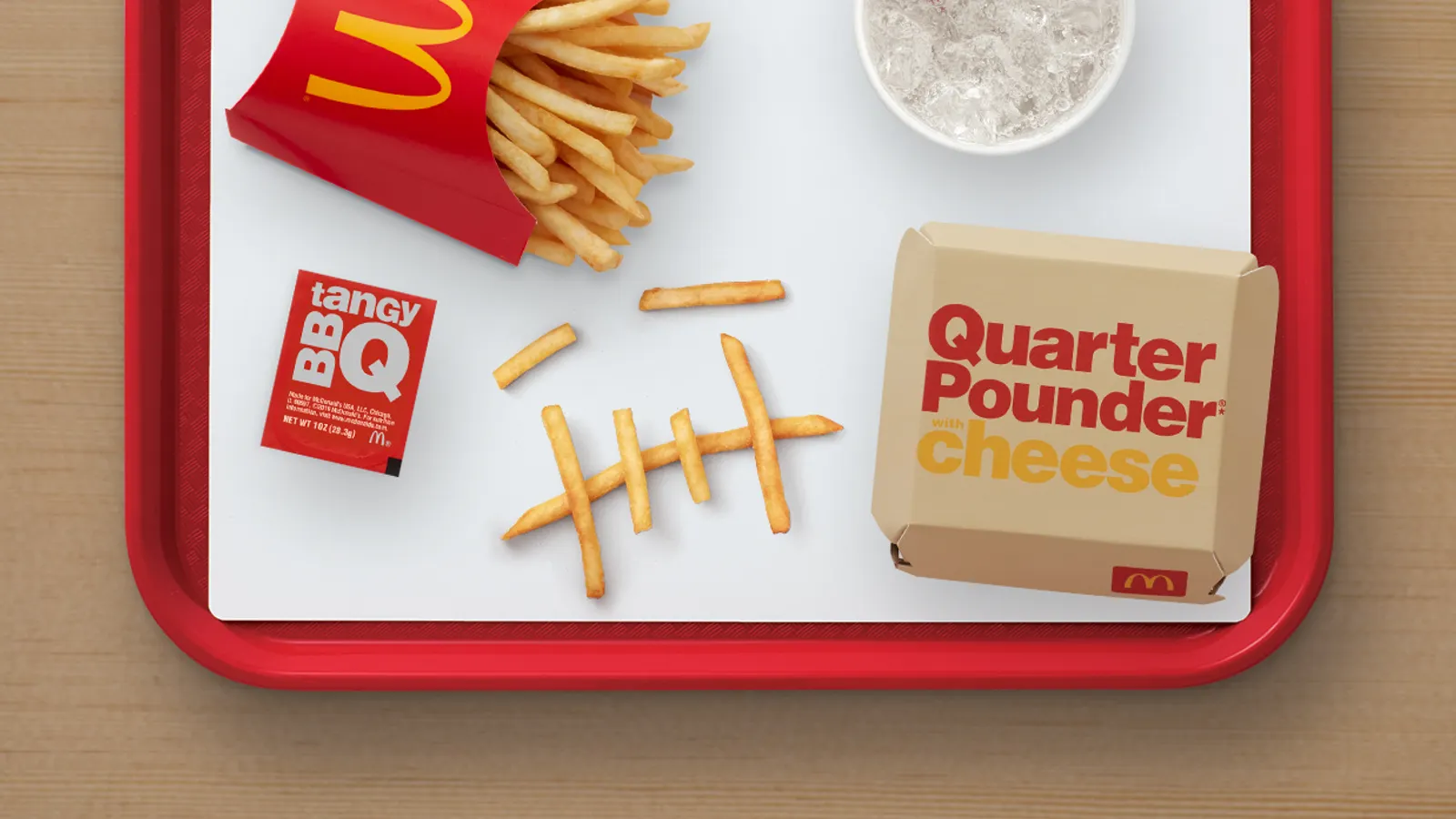
9. McDonald’s x Travis Scott Meal
Type: Celebrity Co-Branding Endorsement
Psychological Driver: Sociaal bewijs
Bron: McDonald’s
A 2020 co-branding endorsement that turned a fast food menu item into a cultural moment. The collaboration drove franchise-level supply shortages within days of launch.
10. Real-time Customer Activity on eCommerce Sites
Type: Customer Endorsement
Psychological Driver: Sociaal bewijs
The modern shift. Every recent purchase, signup, or review displayed in real time on a checkout or product page is a micro-endorsement that scales without celebrity fees. This is where most small and medium brands now compete.
Endorsements vs Testimonials vs Reviews vs Influencer Marketing
These four terms are often used interchangeably, but they mean different things. The table below clarifies each.
| Term | Definition | Bron | Typical Format |
| Endorsement | Public recommendation by a third party with intent to influence | Celebrity, influencer, expert, or customer | Advertising, social media, ongoing partnership |
| Testimonial | A specific written or recorded statement from a satisfied customer | Verified customer | Quote with name, photo, sometimes video |
| Beoordeling | Independent rating and commentary on a product | Customer or critic | Star rating + written review on third-party platform |
| Influencer Marketing | Paid content from a creator with an established audience | Social media influencer | Sponsored posts, stories, videos |
A useful way to remember the relationship: testimonials and reviews are forms of customer endorsements. Influencer marketing is a form of paid endorsement. All four are subsets of the broader endorsements in the marketing category.
How to Build an Endorsement Strategy in 5 Steps
To get a successful framework for a brand, it is important to set up a proper framework. Let us see what steps you need to take into consideration.
Step 1: Define Your Audience And the Trust Gap
Identify which trust signal your audience is currently missing. Is it credibility (expert needed), aspiration (celebrity needed), relatability (influencer needed), or proof of demand (customer endorsement needed)?
Step 2: Choose the Right Type of Endorser
Match the type to the trust gap. Before picking an endorser, figure out what your audience is actually skeptical about — the whole point of an endorsement is to close the gap between what your brand claims and what your buyer is willing to believe. A few practical steps get you there.
i. Do competitor research. Look at who your rivals partner with and how their audiences respond. Matching the category norm keeps you credible; deliberately breaking from it can help you stand out. Either way, you’re choosing rather than guessing.
ii. Analyze your industry. Different buyers reward different kinds of trust. A B2B SaaS company usually needs expert endorsements because buyers want validation on technical trade-offs. A skincare brand needs influencer plus customer endorsements because purchases hinge on visible results and relatability. A luxury watch brand needs celebrity plus authority endorsements, because the buyer is paying for status and craftsmanship. Map how your audience actually decides, and the right type usually becomes obvious.
iii. Check endorser–product fit. Relevance is the biggest predictor of success. Audiences sense when a partnership is bought rather than believed, so the endorser’s reputation and expertise should overlap naturally with what you sell.
iv. Factor in budget. A global celebrity delivers reach and prestige but carries a high cost and concentrated risk. Micro-influencers and experts cost less and often convert better in a niche. Customer endorsements scale almost infinitely at minimal cost — which is why smaller brands increasingly build around them.
Once you know the gap, the industry, the fit, and the budget, the right endorser tends to select itself. The examples below show how brands across very different categories made that match.
Step 3: Test for Product-endorser Fit
The single biggest failure mode in endorsement marketing is a mismatch between the endorser and the product. Real research shows fit, popularity and similarity all moderate effectiveness. If the audience cannot believably picture the endorser using the product, the campaign will underperform.
Step 4: Lead with Authenticity
This matters more in 2026 than ever. According to recent research on consumer trust in influencer endorsements, More than half of consumers (53%) are less likely to trust a product recommendation if it comes from a paid influencer. Even so, 87% believe the influencers they follow have actually used the products they promote. Authenticity, not fame, is the deciding factor.
Step 5: Disclose Paid Relationships Properly
De FTC (Federal Trade Commission) requires clear disclosure whenever there is a paid or material connection between a brand and an endorser. The responsibility falls on both sides.
The influencer discloses it in their own content, and the brand is responsible for making sure they do, which means building disclosure requirements into contracts and briefs rather than assuming the creator will handle it.
Where and how it appears matters as much as whether it exists. The disclosure should sit at the start of the caption, before the “more” cut-off, not buried under a wall of hashtags. On Instagram or TikTok, creators should also use the built-in “Paid partnership” label and say it out loud or on-screen in videos, so viewers who skip the caption still catch it.
Use plain language such as “paid partnership,” “sponsored,” or “ad,” since vague tags like #sp or #collab do not meet the standard. And if the brand reposts the content as its own ad, the disclosure has to carry over.
Disclosure does not reduce effectiveness when the underlying fit is strong. Audiences already assume most creator promotions are paid, so being upfront signals honesty. What erodes trust is a mismatched endorsement, not the label admitting it is sponsored.
How to Use Customer Endorsements at Scale on Your WordPress Website
For most small and medium businesses, the endorsement types that make headlines are simply out of reach. A celebrity deal costs anywhere from tens of thousands to millions of dollars, an established influencer partnership carries a real budget and negotiation overhead and a co-branding campaign requires a level of brand recognition that smaller companies have not built yet.
These options are effective, but they are priced for enterprises, not for a store doing steady monthly sales or a service business trying to grow its client base.
Customer endorsements solve this problem. Every business, no matter how small, already has customers taking actions worth showing: buying products, leaving reviews, signing up, booking calls.
These actions are the most trusted form of endorsement there is, because they come from real people with no incentive to exaggerate. They also cost nothing to generate, since they happen naturally as part of doing business. For small and medium businesses, this is the highest scalable return at the lowest cost.
The challenge is that customer endorsements are invisible by default. A purchase happens, a review gets left, a signup gets completed, but no future visitor sees any of it unless you deliberately surface it. The proof exists, but it stays hidden in your dashboard instead of doing any persuading.
This is where real-time activity tools become essential. NotificationX is an AI-powered social proof plugin built to turn every customer action into a visible peer endorsement for the next visitor.
Instead of asking new visitors to take your word for it, the plugin shows them what real customers are already doing. Some of its most useful features for customer endorsements include:
- Real-time sales and purchase alerts that display recent orders as small popups, so a hesitant visitor sees that others are buying right now.
- Review and rating notifications that pull in feedback from your existing customers and put it in front of new ones at the moment of decision.
- Signup and subscription alerts that show how many people are joining your list or service, which is ideal for businesses that do not sell physical products.
- Live visitor counts that reveal how many people are viewing a page or product, creating urgency without any paid promotion.
- eCommerce integrations met WordPress, WooCommerce, and other platforms so that every transaction automatically becomes a marketing asset for the next visitor, with no manual work.
Taken together, these real-time activity and social proof features convert passive customer activity into active endorsement, giving smaller brands a version of the trust signal that larger competitors pay celebrities to manufacture.
Frequently Asked Questions (FAQs)
What is the difference between an endorsement and a testimonial?
A testimonial is a specific type of endorsement. The category of endorsements includes celebrity, influencer, expert, customer, co-branding, and authority endorsements. A testimonial is specifically a written or recorded statement from a satisfied customer, typically with their name and photo, used for marketing purposes. All testimonials are endorsements, but not all endorsements are testimonials.
Do you need to disclose paid endorsements?
Yes. The Federal Trade Commission (FTC) in the United States, the Advertising Standards Authority (ASA) in the United Kingdom, and similar regulators in most major markets require clear disclosure of paid endorsements. The disclosure must be clearly visible and use plain language such as “paid partnership,” “sponsored,” or “advertisement.” Vague hashtags alone are typically not sufficient.
How much do celebrity endorsements cost?
Celebrity endorsement costs vary widely. Mid-tier celebrities typically charge $50,000 to $250,000 per campaign. A-list celebrities command $500,000 to $5 million. Mega-celebrities like Cristiano Ronaldo reportedly charge $2.3 million per sponsored post on Instagram. Lifetime deals with athletes such as LeBron James have crossed $1 billion in total value.
Can small businesses use endorsement marketing?
Yes, and small businesses have the most leverage in customer and micro-influencer endorsements. Nano-influencers (under 10,000 followers) often charge $50 to $500 per post and deliver higher engagement rates than celebrities. Customer endorsements through real-time activity displays cost almost nothing per impression and scale automatically. For most small businesses, the priority is making existing customer endorsements visible before paying for any external endorser.
Boom Your Business with the Right Endorsements
Endorsements in marketing have evolved from royal sponsorships of soap and chinaware in the 1700s to billion-dollar Nike deals in the 2020s. The underlying psychology, however, has remained constant for over 200 years. People trust people more than they trust brands. The brands that grow fastest in any era are the brands that learn to put trustworthy third-party voices in front of their audience at the right moment.
Three takeaways are worth holding on to. First, choose the type of endorsement that closes your specific trust gap, not the type that looks most impressive. Second, fit between the endorser and the product matters more than fame. Third, the most scalable form of endorsement for small and medium businesses is the customer endorsement, which costs almost nothing per impression and compounds with every transaction.
If you want to capture the customer endorsement layer on your own site, explore NotificationX pricing and start turning every recent purchase into your most effective marketing asset.



 English
  Arabic
  Indonesian
  Spanish
  Portuguese
  German
  Dutch
Dutch  Russian
  Hindi
Hindi  French
  Japanese
  Chinese
  Vietnamese
  Malay
Malay