
Everyone loves a good deal. We all want to feel like we saved money on a purchase. However, the modern buyers are smart. They know when a sale is just a desperate attempt to move inventory. This is where the magic of storytelling in sales changes the game. It transforms a simple price cut into an opportunity for business growth.
When you use storytelling in sales campaigns, you stop selling a product. You start selling a journey. This blog shows how to use storytelling to improve your campaigns and how plugins like NotificaçãoX support the process with real-time social proof and urgency.
Why Storytelling in Sales Campaigns Is Your New Strategy
The digital world is noisy. Customers see thousands of ads every day. Most of these ads scream about lower prices and limited-time offers. The result is buyer fatigue. People tune out. They see descontos as noise rather than value. Storytelling in sales is the solution to this problem. It cuts through the noise by speaking to the heart.
A narrative connects the product to the buyer’s life. It answers the question ‘why’ before it answers ‘how much’. When you weave a story around your offer, you build trust. You show the customer that you understand their struggles. This approach can boost conversion rates significantly.
Storytelling in sales campaigns is not just a trend. It is a necessary shift. It allows you to present a discount as a reward rather than a clearance tag.
Moving Beyond Feature Dumping in Modern Sales
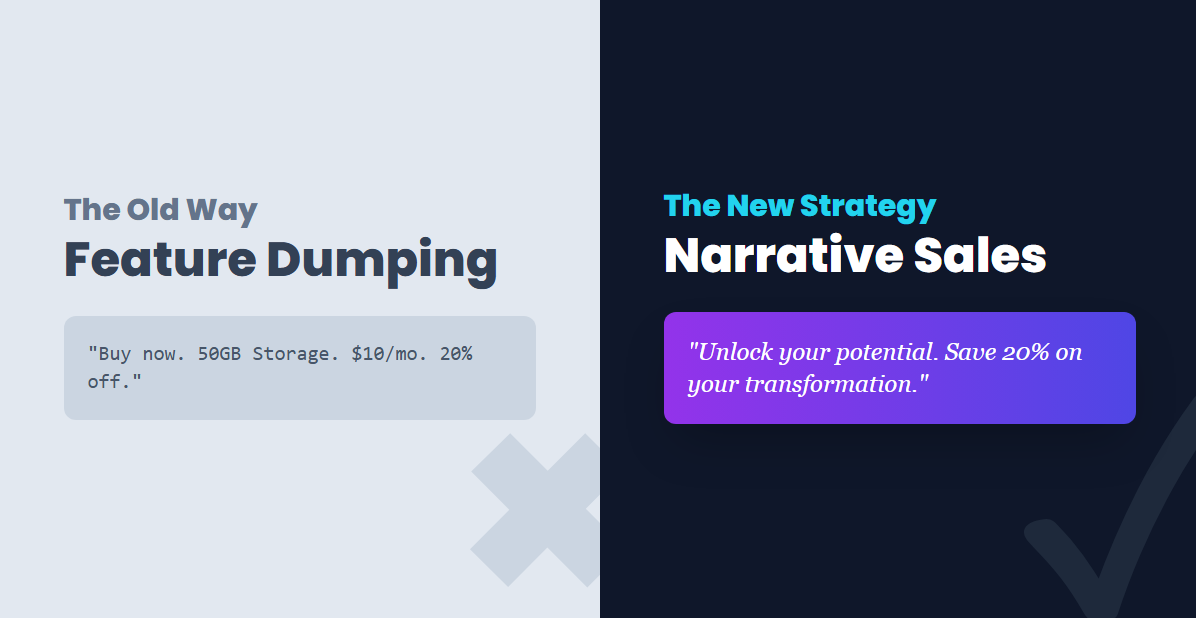
Marketing has changed. In the past, listing features was enough. You could list specs and prices to get a sale. That does not work anymore. Buyers have access to all the data they need. They do not need you to list facts. They suffer from information overload. They need context.
This is where many sales campaigns fail. They dump features on the customer without explaining the benefit. Feature dumping assumes the customer knows why those matter. It leads to confusion and disinterest. You must shift your focus. You need to explain the transformation the product offers.
Storytelling in sales provides this context. It wraps the features in a narrative that makes sense to the user.
📌 Example: A feature-heavy pitch might say: ‘Features: task boards, file sharing, time tracking, automation rules, real-time notifications.’ It is informative but forgettable. It does not explain why any of it matters.
A story-driven version could say:
‘Start your week with a clear plan. Tasks stay organized, files stay in one place, and your team gets updates right when they need them. Work flows faster and everyone stays focused.’
Both describe the same tool, but the second shows the transformation. It helps the customer picture a smoother, more productive workday instead of just reading a list of features.
Defining the Scope of Strategic Sales Storytelling
Many people misunderstand storytelling. They think it means writing a novel or a fairy tale. Storytelling in sales is different, strategic, concise and focused on business goals. It is about placing the customer in a story where they win.
Strategic storytelling involves a clear structure. It has a beginning, a middle and an end. The beginning highlights the problem. The middle introduces the solution. The end shows the success. Every email, ad and landing page contributes to this arc. It is not just for entertainment. It is a tool for persuasion.
You must define the scope correctly to make discounts feel meaningful. The discount is the plot twist that helps the hero succeed. It is not the main character. The story gives the discount value. Without the story, the discount is just a number. With the story, it is a helping hand.
📌 Example: Imagine you are promoting an online course for digital marketing. A typical discount-focused approach might say — ‘Get 30% off this course today!’ It is clear but it lacks context. The customer sees a number, not a reason to act.
A story-driven approach could say, ‘Struggling to get results from your marketing campaigns? Join thousands of learners who transformed their strategies with our step-by-step digital marketing course. Enroll today and save 30%, take the first step toward mastering your marketing and achieving real results.’
The narrative highlights the problem, introduces the solution and shows the success, making the offer meaningful and persuasive.
The 5 P’s of Storytelling in Sales
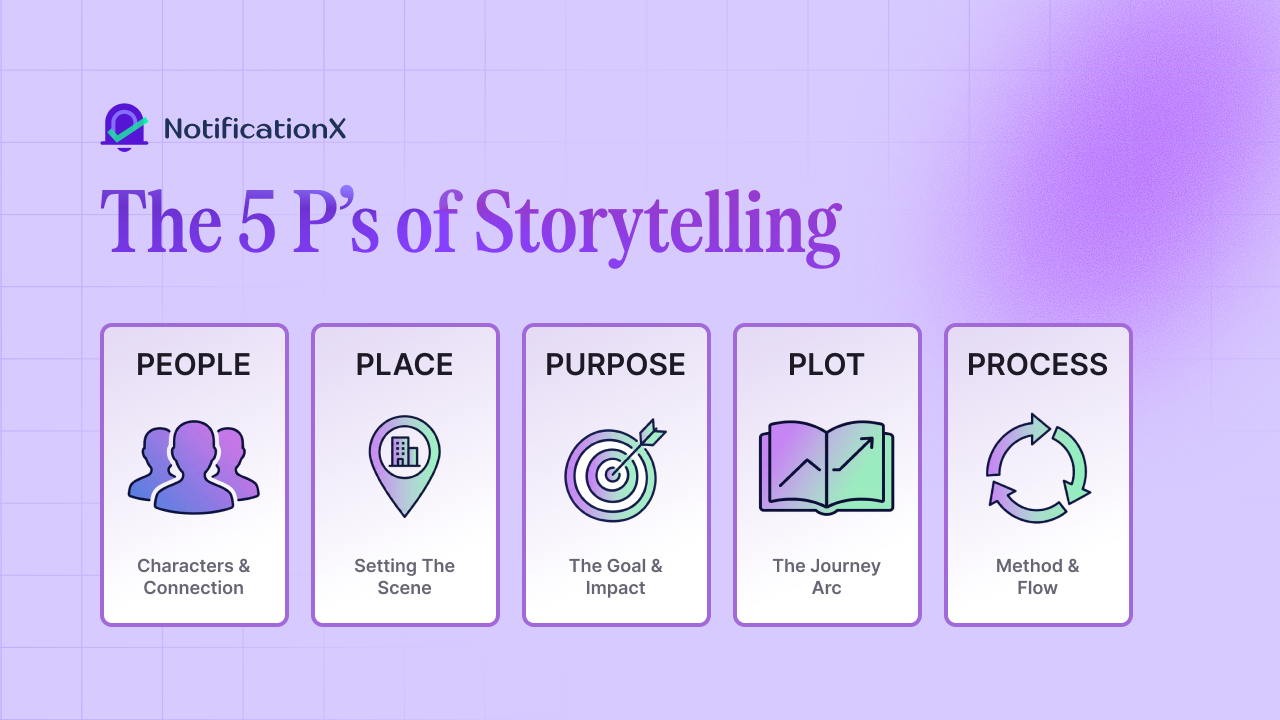
Storytelling is one of the most powerful tools in sales and marketing. It is not just about telling a nice tale; it is about building a structure that resonates with your audience. The 5 P’s of Storytelling—People, Place, Purpose, Plot and Process give you a framework to craft stories that inspire trust, spark emotion and drive action.
1. People 👥
At the heart of every story are the characters. In sales, the most important character is your customer. Position them as the hero of the story, facing challenges and striving for goals. Your product or service plays the role of the guide, the tool that helps them overcome obstacles and achieve success.
Why it matters: People connect with people, not faceless brands. Relatable characters make your story memorable.
Exemplo: A skincare brand introduces Sarah, a busy mom who struggles to find time for self‑care. Their quick routine helped her reclaim confidence and balance.
2. Place 📍
The setting provides context and makes the story feel real. It grounds the audience in a situation they can imagine themselves in. Whether it is a cluttered desk, a bustling café or the chaos of a busy workday, the place sets the stage for transformation.
Why it matters: A strong setting helps your audience visualize the problem and makes the solution more relatable.
Exemplo: A productivity app paints the picture of a messy workspace with looming deadlines, then shows how it brings order and focus.
3. Purpose 🎯
Every story needs a clear takeaway. What is moral? What is the benefit? The purpose is to show how your product improves lives, solves problems, or fulfills aspirations. Without purpose, your story is just entertainment; it will not drive action.
Why it matters: Purpose ensures your story aligns with customer needs and highlights the value of your solution.
Exemplo: A bike company shares how its lightweight design helped a rider complete their first long‑distance trip, turning a dream into reality.
4. Plot 📖
A good story has structure: a beginning, middle and end. In sales, that means starting with the problem, introducing your solution and ending with the positive outcome. This flow keeps your audience engaged and makes the transformation clear.
Why it matters: Plot creates momentum. It takes the audience on a journey from struggle to success.
Exemplo: ‘Struggling with slow website speed? Meet Jane, an eCommerce seller who boosted her sales by 30% after switching to our hosting service.’
5. Process 🔄
The process is about showing the journey of transformation step by step. It is not enough to say your product works; you need to demonstrate how it bridges the gap between the customer’s current struggle and their desired outcome.
Why it matters: Process builds trust. It reassures customers that the change is achievable and shows them exactly how it happens.
Exemplo: A meal kit delivery service walks customers through the experience of making a restaurant‑quality meal in under 30 minutes, showing each step from box to plate.
The Psychology Behind Successful Storytelling in Sales Campaigns
Humans are wired for stories. We have used stories to share information for thousands of years. Our brains light up when we hear a narrative. We do not just listen. We experience the story. This is why storytelling in sales campaigns is so effective. It taps into the way our brains work.
When you present data, only the language parts of the brain work. When you tell a story, many parts of the brain activate. The listener feels the emotions you describe. This creates a deep bond. It makes your brand unforgettable. Understanding this psychology is key to modern marketing.
The Neurological Impact of Effective Sales Storytelling
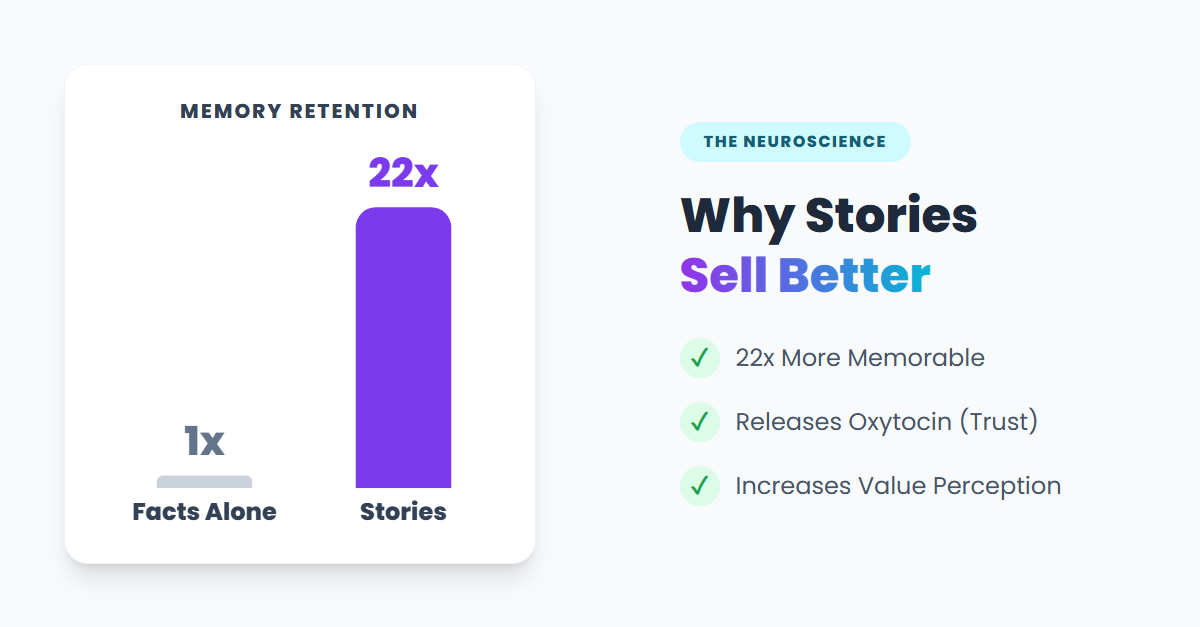
Stories make information stick. Research shows that facts wrapped in stories are up to 22 times more memorable than facts alone. This is a massive advantage in vendas. You want your customer to remember you when they are ready to buy. A good story ensures they do.
When a customer trusts you, they are less likely to question your price. They see the value perception of your offer rise. They feel good about buying from you. This is crucial for descontos. A story makes the discount feel like a gift from a friend.
Key psychological benefits of storytelling:
- It aids memory retention effectively.
- It builds trust through emotional connection.
- It increases the perceived value of the offer.
- It motivates action through empathy.
The Essential Structure for Storytelling in Sales Campaigns
Every good story follows a pattern. Sales campaigns with storytelling are no different. You cannot just ramble. You need a structure that guides the buyer to the purchase. The most effective structure is the ‘Hero’s Journey’. This framework places the customer at the center of the action.
In this structure, you represent the guide. You are the storyteller. Your product is the tool the hero needs. The discount is the opportunity to get the tool. This simple shift in perspective changes everything. It makes the customer feel important and understood.
Establishing the Protagonist: A Customer-Centric Narrative Approach
The first rule of storytelling in sales is simple: the customer is the main character. Instead of highlighting awards or company history, focus on how your product empowers them to solve their challenges.
Every feature, discount or promotion should show the customer achieving success, making them feel capable and confident. Your brand becomes the guide, equipping them with the tools they need to win.
You must clearly identify the challenge your customer is facing. What obstacles are preventing them from achieving their goals? Is it limited time, budget constraints or uncertainty?
Your sales campaigns should acknowledge these challenges and demonstrate understanding. Show empathy by communicating that you recognize their concerns and are equipped to help them overcome these barriers.
Exemplo: Instead of saying ‘Get 20% off today!’ Try a customer-focused approach — ‘Ready to finally organize your home without stress? Our storage solutions make it easy to declutter every room. For a limited time, save 20% and take the first step toward a more organized, stress-free space.’
The offer feels purposeful rather than arbitrary by connecting the discount to the customer’s goal. The discount becomes a tool that helps them achieve something meaningful, not just a price reduction. This is how you make discounts feel meaningful.
Your Solution As the Guide in Sales Storytelling
Every hero needs a guide. Luke Skywalker needed Yoda. Your customer needs you. In storytelling in sales, your brand plays the role of the mentor.
In a competitive market, customers have many options. Storytelling allows your brand to stand out by positioning itself as a trusted guide rather than just a seller. Your brand provides expertise, support, and clarity, helping customers navigate their challenges and make confident decisions.
Your product or service serves as the tool that enables the customer to achieve success. Your responsibility is to clearly communicate its value, explaining how it addresses the customer’s needs and why it is the optimal choice among competitors. Discounts and promotional offers function as strategic gestures that reinforce your guidance, adding tangible support to the solutions you provide.
By adopting this approach, your brand moves beyond simply offering products; it becomes a credible authority that helps customers achieve meaningful outcomes, differentiating itself in a crowded marketplace.
The Resolution: Quantifying Success in Your Sales Campaigns
A story needs a satisfying ending. In vendas, the ending is the success of the customer. You must paint a picture of what life looks like after they buy your product. This is the resolution. It connects the emotional narrative to logical results.
You need to quantify this success. Use numbers and data to back up the story. Show how much time they will save. Show how much money they will make. This appeals to the logical side of the brain. It confirms the decision that the emotional side has already made.
Key elements of a strong resolution:
- It visualizes a better future for the user.
- It uses specific metrics to prove value.
- It ties the result back to the initial problem.
- It confirms the purchase was a smart choice.
The resolution reinforces value perception. It reminds the customer why the purchase is worth it. Even with a discount, the value remains high because the outcome is valuable. This ensures the sales campaigns lead to happy customers who return.
Deploying Storytelling in Sales Campaigns Across the Funnel
You cannot tell the same story at every stage. A stranger needs a different story than a loyal fan. You must adapt your storytelling in sales to the customer journey. This is called full-funnel storytelling. It ensures you are relevant at every step.
⏳ At the top of the funnel, you grab attention.
⏳ In the middle, you build trust.
⏳ At the bottom, you drive action.
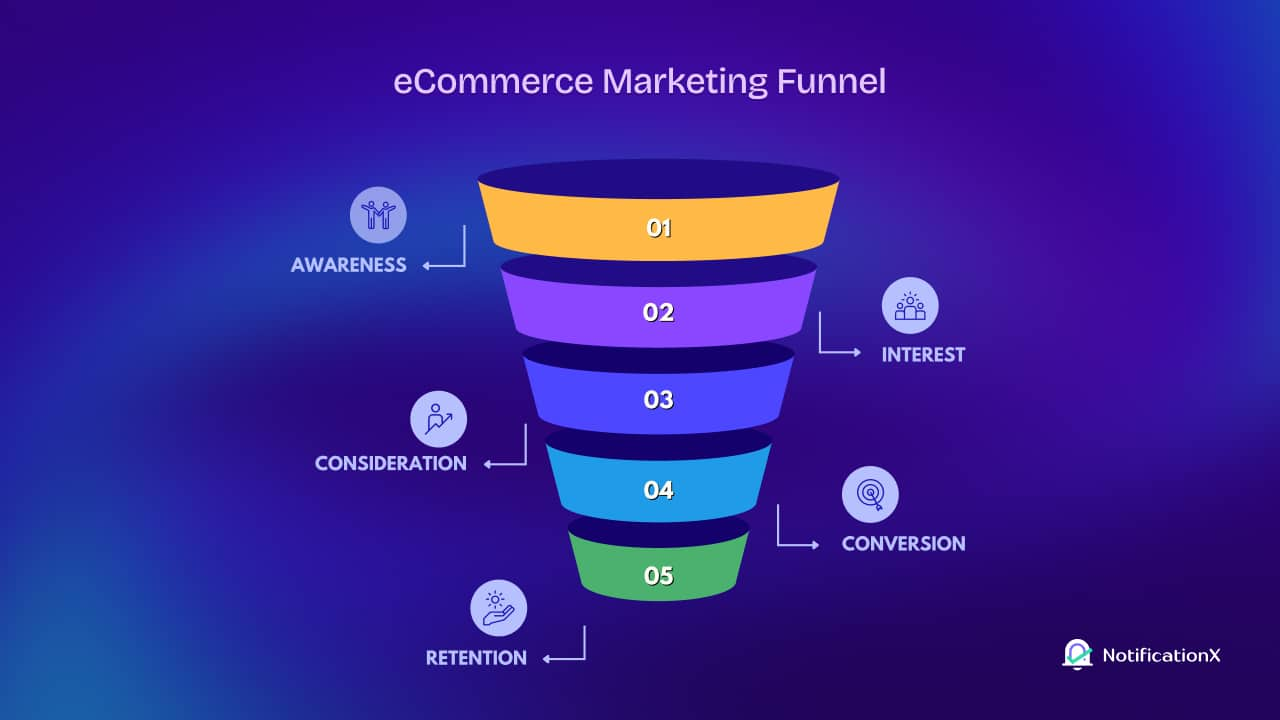
Each stage requires a different narrative approach. Using the right story at the right time is the key to high conversion rates.
Top-of-Funnel: Grabbing Attention with Problem/Solution Stories
At the top of the funnel, people may not know you. You need short and punchy stories. These are micro-narratives that highlight a common pain point.
Use ads and social media posts for this. Start with a hook that addresses a struggle. Then quickly offer a glimpse of the solution. You are not asking for a sale yet. You are asking for attention. You are saying, ‘Does this sound like you?’
For example, do not just say ‘Buy our software.’ Say, ‘Tired of wasting hours on spreadsheets? Meet the tool that gave John his weekends back.’ This is storytelling in sales campaigns in action. It creates instant relevance. It makes the user want to learn more.
Mid-Funnel: Transforming Case Studies with Strategic Storytelling
Once you have their attention, you need to prove you can deliver. This is the middle of the funnel. This is where case studies shine. However, traditional case studies are boring. They are often dry reports. You need to transform them into dramatic success stories.
Focus on the journey of a specific customer. Describe their struggle in detail. Make the reader feel their frustration. Then show the turning point. Show how your product changed everything. People search for reviews and success stories.
Exemplo: Traditional case study, ‘Client X increased sales by 30% using our software.’ Story-driven approach, ‘Client X, a small e-commerce store, struggled for months with abandoned carts and declining traffic. They tried multiple solutions but could not find a system that worked. After implementing our platform, they automated their sales notifications and engaged customers with real-time updates. Within three months, abandoned carts dropped dramatically, and sales grew by 30%. Client X now runs a thriving online store with confident, repeat customers.’
This approach focuses on the customer’s journey, highlights the challenge, shows the turning point and emphasizes the transformation. It turns data into a narrative that prospects can relate to and see themselves in, making your case study a powerful mid-funnel tool.
Bottom-of-Funnel: Using Future Pacing in Closing Pitches
The bottom of the funnel is decision time. The customer knows you and likes you. But they are hesitating. They are worried about spending money. This is where you use future pacing. This technique visualizes the future.
Tell a story about the customer’s life next week or next month. Describe how easy their life is with your product. Contrast this with a story of what happens if they do nothing. This creates urgency without pressure.
You can frame the discounts in sales campaigns here as the final nudge. ‘Start your transformation today and save 30%.’ The discount is the bridge to that better future. It removes the final barrier. It decides to feel safe and smart.
Powering Your Narratives: How Plugins Can Be Helpful in Storytelling
Great stories need great delivery. You cannot rely on memory alone. You need tools to organize and share your stories. Modern technology makes storytelling in sales scalable. It allows you to deliver the perfect story to the perfect person at the perfect time.
Role of NotificationX in Your Sales Story
Telling engaging sales stories on a WordPress site does not have to mean long paragraphs. With the right tools, you can capture attention and drive action instantly. NotificaçãoX is a powerful plugin that helps you communicate with visitors in real time, making it essential for WordPress users looking to boost conversions.
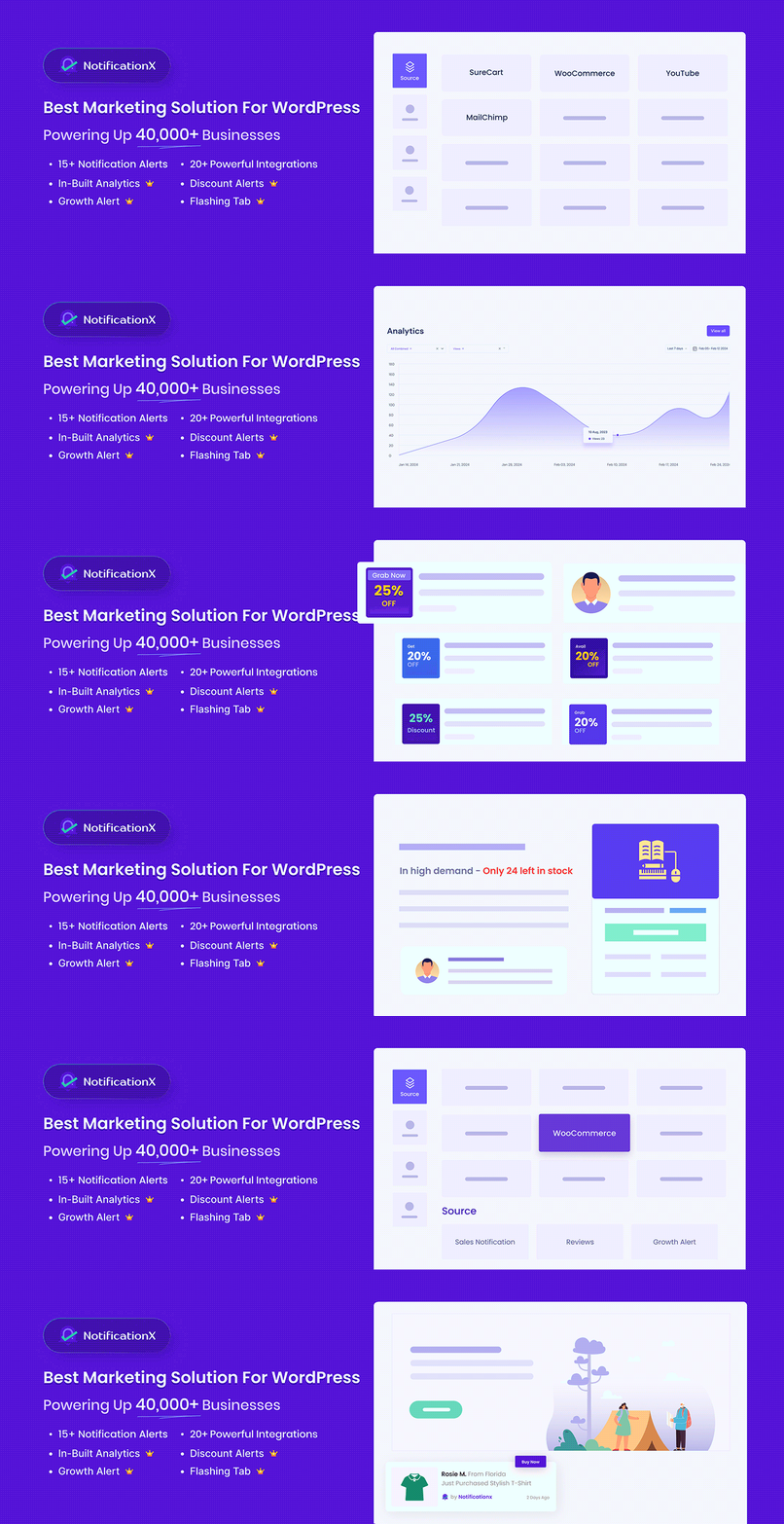
How NotificationX Supports Your Sales Story
In a crowded marketplace, your brand needs to communicate trust and credibility quickly. NotificationX allows you to do this by showing real-time sales activity that reinforces the value of your products.
Sales Notifications
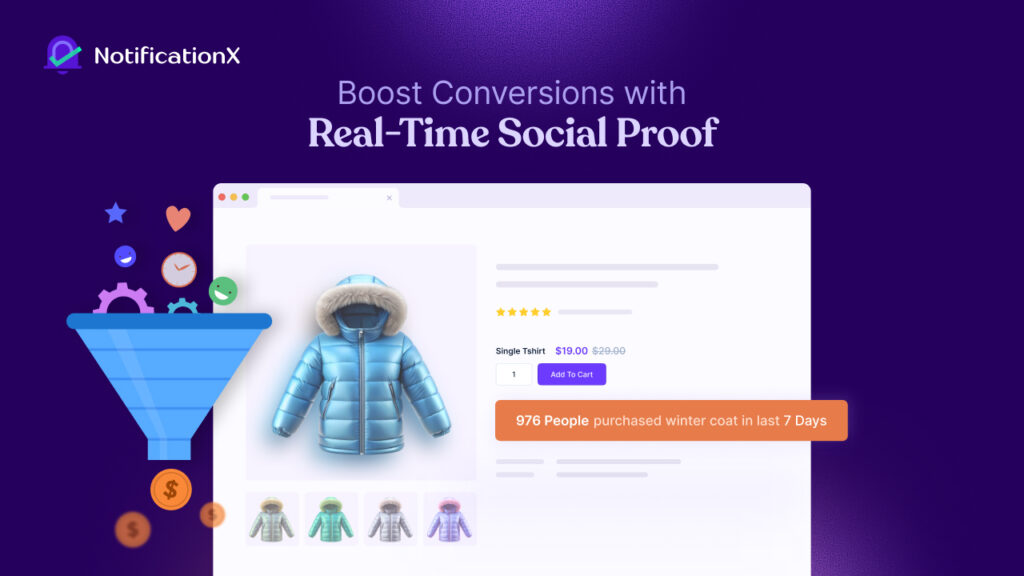
If you are browsing a product and see that other customers have just made a purchase, you feel reassured that you are making the right choice. NotificationX makes this possible by showing real-time sales activity from WooCommerce or Easy Digital Downloads. Every notification becomes a part of the story, showing that others trust the product and encouraging you to take action confidently.
Barra de notificação
If you notice a banner highlighting a special discount or limited-time offer, you instantly understand the opportunity. With NotificationX’s Notification Bar, brands can display promotions, updates, or countdown timers that create urgency. This visual cue turns a simple offer into a story where you, the customer, can act before time runs out.
Growth Alerts
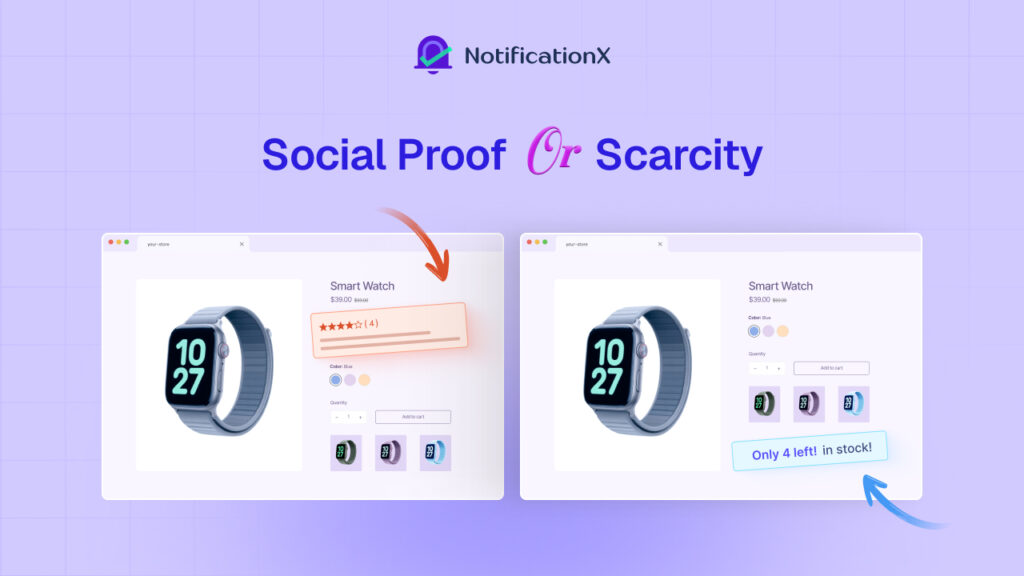
If you see a low-stock warning or the number of items sold increasing in real time, it changes how you approach the purchase. Growth Alerts from NotificationX turn these moments into a narrative of popularity and demand, showing you that others are finding value in the product, pushing you toward a confident buying decision.
Visual Sales Storytelling Tool
A picture is worth a thousand words. Visuals help people understand complex ideas quickly. Tools like Canva allow you to add visual elements to your stories. You can create ‘before and after’ graphics. You can record personal video messages.

Visual storytelling is powerful for making discounts feel meaningful. A graphic showing the price drop alongside the value gained is compelling. It makes the math easy to understand. It reinforces the logic behind the emotional decision.
Craft a Story That Turns Every Discount Into a Win
The online market is crowded, so simple discounts rarely stand out. A clear story behind your offer helps you connect with shoppers and give your deals real meaning. With the right context and support from plugins like NotificationX, you can show real activity and urgency that guide customers toward faster decisions.
A meaningful discount carries purpose and feels genuine because it is backed by a clear reason and reinforced by the actions of others. This approach not only boosts sales but also builds long-term trust.
Found this blog helpful? Join our community to stay updated with the latest blogs, product reviews and WordPress solutions. Inscreva-se no nosso blog for in-depth tutorials, tips and product demos or visit our website for the newest updates.




 English
  Arabic
  Indonesian
  Spanish
  Bengali
  Portuguese
  German
  Dutch
Dutch  Russian
  Hindi
Hindi  French
  Japanese
  Chinese
  Vietnamese
  Malay
Malay