
You publish great content. You have done the SEO work: the keywords, the backlinks, the meta descriptions. But when someone asks ChatGPT, Perplexity, or Google AI Overviews a question you should own, your brand is nowhere to be found.
Welcome to the new visibility crisis: the AI citation gap. Let us have a complete guide on AI citation audit to eradicate the crisis.
This is not a ranking problem. It is a citation problem. And solving it requires a completely different playbook that is built around Answer Engine Optimization (AEO), a discipline that is rapidly replacing traditional SEO as the primary currency of digital discovery.
In this guide, we will walk through exactly why AI is not citing your content and give you a concrete, actionable audit framework to fix it.
What Is Answer Engine Optimization (AEO)?
Answer Engine Optimization (AEO) helps your content show up as direct answers when people ask questions in AI tools. Instead of pushing users to click through pages, you focus on giving clear, accurate responses that AI systems can extract and present instantly.
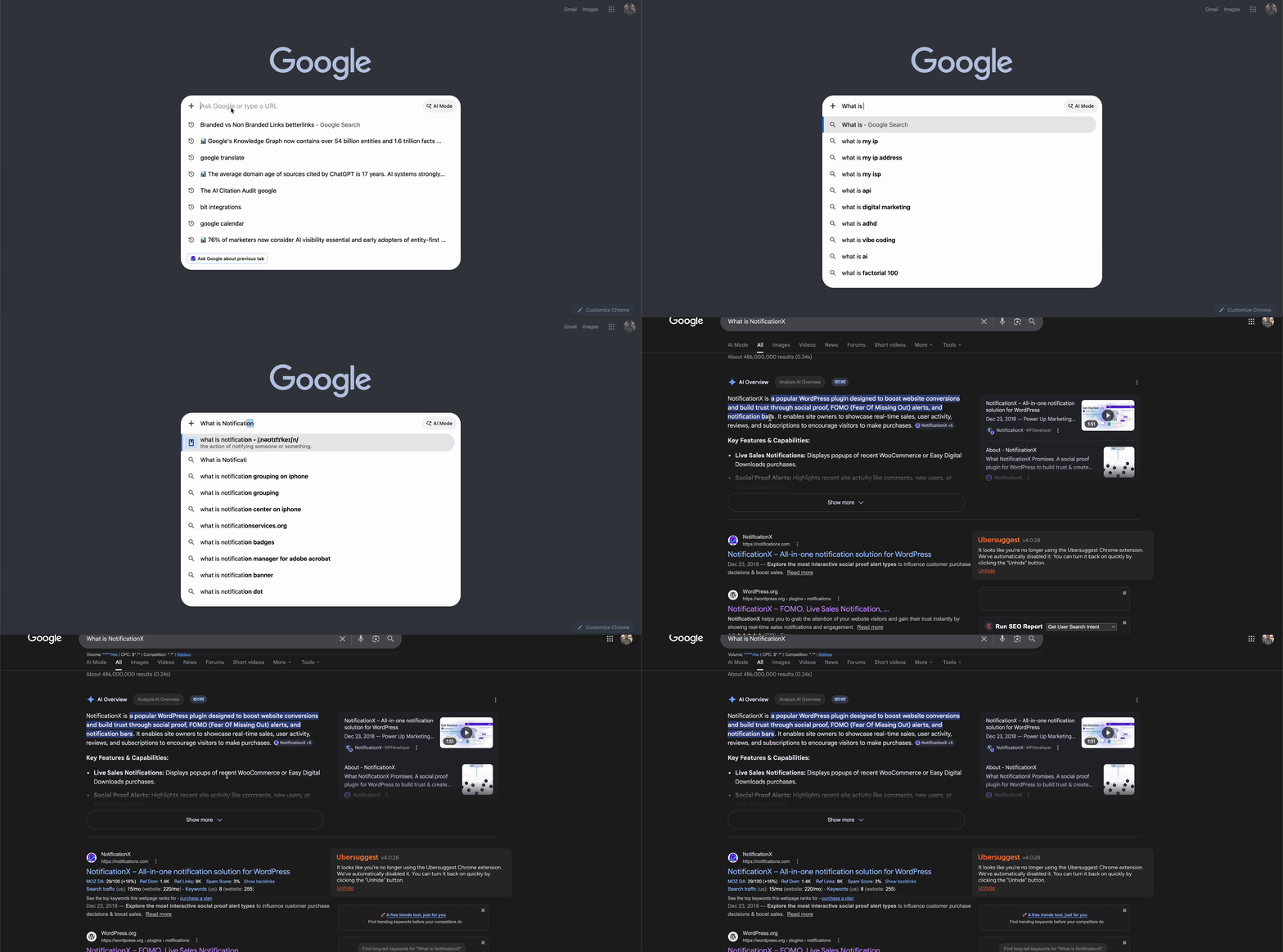
With AEO, you structure your content around real questions, place the answer upfront and support it with concise context. When your content is easy to understand and easy to extract, AI platforms like ChatGPT, Google AI and Perplexity are more likely to surface your answers and mention your brand.
AEO vs SEO: What Is the Difference?
Traditional SEO is optimized for rankings and clicks. AEO is optimized for citations and answers. Here is the key distinction:
| Aspect | SEO (Search Engine Optimization) | AEO (Answer Engine Optimization) |
| Primary Goal | Optimized for rankings and clicks in search engine results | Optimized for citations and direct answers in AI and answer engines |
| Focus Areas | Keywords, backlinks, and domain authority | Content clarity, entity signals, structured data, and E-E-A-T trust |
| User Behavior Assumption | Assumes users will click on search results to visit the website | Assumes many users may not click, so the answer must exist directly in the content |
| Relationship Between Them | Builds the foundation for discoverability | Requires additional optimizations on top of SEO to be cited by AI systems |
The good news? They are not mutually exclusive. A strong SEO foundation supports AEO. But AEO requires additional, specific optimizations that most brands are simply not doing yet.
The New Reality: From Rankings to Citations
📊 Based on SparkToro research, 69% of Google searches in 2025 ended without a single click, up from 56% in 2024.
The way people search has fundamentally changed. AI-powered answer engines like Google AI Overviews, ChatGPT Search, Perplexity and Microsoft Copilot now synthesize answers directly on the results page. Users get what they need without ever clicking through to your website.
This means your traditional SEO KPIs are becoming less meaningful. Traffic is down. Clicks are declining. But visibility in AI citations? That is where the real opportunity lies.
📊 When AI Overviews appear, clicks on traditional search results drop by as much as 34.5% – Ahrefs
The goal has shifted: it is no longer enough to rank #1. You need to be cited. And that requires different content, different structure and a different strategy.
Why AI Is Not Citing Your Content: The 6 Root Causes
Before you can fix the problem, you need to understand why it is happening. Here are the six most common reasons AI platforms skip your content:
Reason #1: Your Content Is not Structured for Extraction
AI engines do not read your content like a human does. They scan for extractable chunks: short, direct answers that respond to a specific question. If your paragraphs are long, unstructured, or bury the answer in the middle of a section, AI will skip your content entirely.
Best practice: Lead with the answer in the first 40–60 words after every heading. Make every paragraph a self-contained unit of information.
Reason #2: You Are Missing Schema Markup
Schema markup is how you speak AI’s language. Without the FAQ schema, HowTo schema, or Article schema, AI engines have no structured signal to pull from. Studies show that only 31.2% of websites use structured data. That is why a massive competitive advantage is available to those who implement it properly.
Reason #3: Weak E-E-A-T Signals
Google and LLMs alike reward content that demonstrates Experience, Expertise, Authoritativeness and Trustworthiness (E-E-A-T). If your content lacks author bios, expert quotes, citations or original data, AI models treat it as less credible than sources that have these signals.
Reason #4: No Multi-Platform Entity Presence
AI models, especially ChatGPT, build entity graphs from data across the web. If your brand only exists on your own website and a few backlinks, you are nearly invisible to the knowledge models that power AI answers. Brands cited across Wikipedia, Wikidata, Reddit, LinkedIn and third-party review sites are 2.8x more likely to be cited in AI responses.
Reason #5: Your Content Is Stale
Freshness matters enormously in AI search. Content without explicit ‘last updated‘ signals, or that references outdated data, gets deprioritized in favor of more recent sources. AI citation volatility is high (40–60%), with cited URLs shifting month-to-month, which means brands that regularly refresh their content stay in the rotation, while stale content drops off.
Reason #6: You Are Optimizing for the Wrong Platforms
Different AI platforms have very different citation behaviors. ChatGPT relies heavily on Wikipedia and pre-trained knowledge. Perplexity favors real-time Reddit threads and niche forums. Google AI Overviews prioritizes established domains with strong on-page structure. A citation strategy that works for one platform may do nothing on another.
The AI Citation Audit: A Step-by-Step Framework
Ready to diagnose your AI visibility? Here is a structured audit you can run today (no expensive tools required).
Step 1: Run Manual Citation Checks
Open ChatGPT, Perplexity, Google AI Overviews and Claude in private/incognito windows (to avoid personalization). Ask the questions your ideal customer would ask and your content should answer.
- Is your brand mentioned at all?
- Which competitors are being cited?
- What language and structure does the AI use in its answers?
- What sources does it attribute?
This is your citation baseline. Do this monthly to track changes over time.
Step 2: Audit Your Content Structure
Go through your top 10–15 pieces of content and check:
- Does each section start with a direct answer to a question?
- Are paragraphs under 60 words?
- Is there a clear H1 > H2 > H3 hierarchy?
- Are there FAQ sections at the end of key pages?
- Is the most important information in the first 100 words after each heading?
Step 3: Check Schema Implementation
Menggunakan Google’s Rich Results Test to check your key pages. Look for:
- FAQ schema on question-based content
- Article schema on blog posts with author markup
- HowTo schema on instructional content
- Organization schema with correct NAP data
Step 4: Assess Your Entity Footprint
Run a Google search for your brand name and your key topics. Look for:
- Do you have a Wikipedia or Wikidata entry?
- Is your brand listed on major review platforms (G2, Trustpilot, Capterra)?
- Do you contribute to Reddit, Quora, or industry forums?
- Are you mentioned in third-party industry publications?
If the answer to most of these is ‘no’, your entity graph is too thin for AI models to confidently cite you.
Step 5: Evaluate Freshness Signals
Review your top content and ask:
- Does each page display a ‘Last Updated’ date?
- Are statistics and data points current (2024/2025)?
- Is there a clear publication and update history?
Set a quarterly content refresh schedule for your most important pages.
How to Fix It: The AEO Optimization Playbook
Now that you know where the gaps are, here is exactly how to close them
Fix #1: Rewrite for ‘Chunk Extraction’
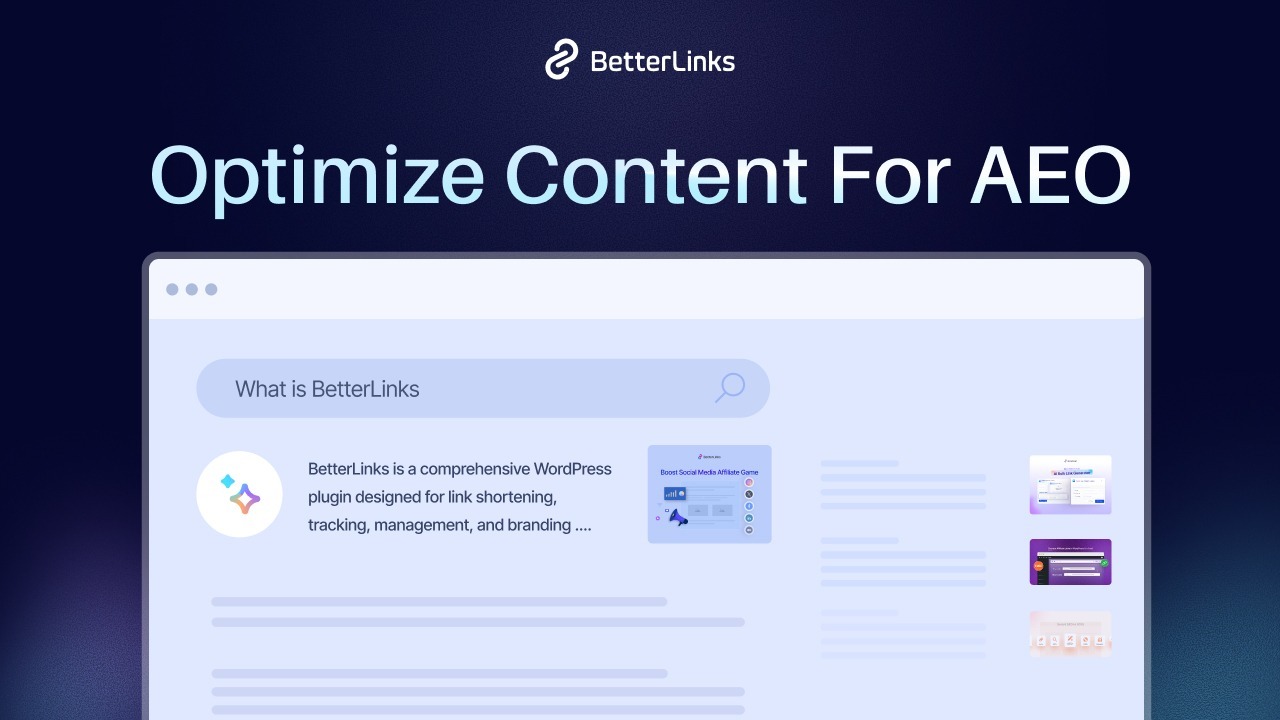
AI engines extract short, dense, standalone chunks of text. Rewrite your content so that every major section could function as a complete answer on its own. Use this formula:
- H2 heading = the question
- First sentence = the direct answer (under 25 words)
- Following sentences = supporting evidence, data, or examples
- End with a clear, quotable takeaway sentence
Fix #2: Build Your Entity Graph
Think of your entity graph as your AI reputation. To build it:
- Create or claim a Wikipedia page if your brand qualifies
- Add your brand to Wikidata with accurate structured data
- Publish guest posts on authoritative industry sites
- Actively participate in Reddit and Quora threads related to your niche
- Ensure consistent NAP (Name, Address, Phone) data across all directories
Fix #3: Implement Comprehensive Schema
Schema is not just for featured snippets anymore. For AI citation, focus on:
- FAQPage schema: Add Q&A pairs to your most important pages
- Article schema: Include author name, credentials, and publication date
- HowTo schema: Use for any step-by-step or process-based content
- Organization schema: Establish your brand’s identity in search graphs
Fix #4: Produce Original, First-Party Data
AI models strongly prefer original data over generic claims. Conduct surveys, publish proprietary research and compile case studies with real metrics. Original data acts as a citation magnet, not just for AI, but for the human journalists and bloggers who feed AI training data.
Fix #5: Build a Cross-Platform Content Presence
Do not rely on your website alone. Generative Engine Optimization (GEO) requires a multi-surface content strategy:
- Publish on LinkedIn and Medium with a consistent brand voice
- Answer questions on Quora and Reddit in your subject area
- Get listed on industry-specific databases and directories
- Pursue podcast appearances and webinar invitations where transcripts are published
Fix #6: Set Up Monthly Citation Monitoring
Track your AI citation performance the same way you track traditional rankings:
- Run manual prompts across ChatGPT, Perplexity, Google AI Overviews and Claude monthly
- Document your brand mentions, competitor mentions and any misattributions
- Track citation sentiment — is AI describing your brand accurately and positively
- Note which content assets are being cited so you can double down on what’s working
The Metrics That Actually Matter in AEO
Forget rankings and raw traffic as your primary KPIs. In AEO, here is what you should be measuring:
- Citation frequency: How often is your brand mentioned in AI-generated answers across key platforms?
- Citation accuracy: Is AI describing your brand, products and expertise correctly?
- Citation sentiment: Is the context positive, neutral, or negative?
- Competitive citation share: What percentage of AI mentions in your category go to you vs. competitors?
- Conversion quality from AI traffic: AI search visitors convert at 4.4x the rate of organic search visitors (Semrush, 2025). Track this separately in your analytics.
📊 Early AEO adopters are capturing 3.4x more traffic from AI search compared to brands using only traditional SEO. (TNG Shopper, 2025)
Platform-Specific Citation Strategies
Not all AI platforms work the same way and that means a one-size-fits-all approach will not cut it. Each platform has its own way of sourcing, indexing and surfacing content, so your citation strategy needs to match how each one actually works. Here is what to focus on for each major platform:
1. ChatGPT: Relies heavily on pre-trained knowledge and Wikipedia. To get cited, focus on establishing a strong Wikipedia or Wikidata presence, getting mentioned in widely-scraped publications like Forbes, HubSpot and industry-specific media and producing content that earns links and references from across the web.
2. Perplexity: A real-time search engine at heart. It indexes live web content and particularly favors Reddit, specialized forums and niche Q&A content. Your best moves here are actively participating in relevant subreddits, publishing direct-answer content and making sure your website is fast-loading and fully crawlable.
3. Google AI Overviews: It pulls from top-ranking search results, which means traditional SEO still matters — a lot. To appear here, your content needs to rank in the top 10. From there, implement schema markup, use clear heading hierarchies and lead every section with a direct, concise answer.
4. Microsoft Copilot: Prioritizes Bing-indexed content and properties within the Microsoft ecosystem. Focus on verifying your site in Bing Search Console, ensuring it is fully Bing-crawlable, and building your presence on LinkedIn, which, as a Microsoft property, carries extra weight here.
FAQs (Frequently Asked Questions)
What is an AI citation audit?
An AI citation audit is a structured process of checking whether and how AI platforms like ChatGPT, Perplexity, Google AI Overviews and Microsoft Copilot are referencing your content. It helps identify gaps in your visibility and gives you a roadmap to fix them.
What is Answer Engine Optimization (AEO)?
Answer Engine Optimization (AEO) is the practice of structuring and optimizing your content so that AI-powered answer engines can easily extract, trust and cite it in their responses. Unlike traditional SEO, which targets rankings and clicks, AEO targets citations and direct answers.
What is the difference between AEO and SEO?
SEO focuses on ranking in search results through keywords, backlinks and domain authority. AEO focuses on being cited in AI-generated answers through content clarity, structured data, entity signals and E-E-A-T. Both work together, but AEO requires additional optimizations that most brands haven’t implemented yet.
Why is AI not citing my content?
There are several common reasons: your content may not be structured for easy extraction, you may be missing schema markup, your E-E-A-T signals could be weak, your brand’s entity footprint may be too thin, your content may be outdated, or you may be optimizing for the wrong platforms entirely.
How do I get my content cited by ChatGPT?
ChatGPT relies heavily on pre-trained data and Wikipedia. To improve your chances, build a Wikipedia or Wikidata presence, earn mentions in widely-referenced publications, and create content that attracts links and references from authoritative sources across the web.
How do I appear in Perplexity answers?
Perplexity indexes live web content and favors Reddit, niche forums and direct-answer content. Actively participate in relevant subreddits and Q&A platforms, publish concise answer-led content, and ensure your website is fast and fully crawlable.
What is schema markup and why does it matter for AI search?
Schema markup is structured data added to your website that helps search engines and AI platforms understand your content. For AI citation, key schema types include FAQPage, Article, HowTo and Organization schema. Only 31.2% of websites currently use it, making it a significant competitive advantage.
What metrics should I track for AEO performance?
Instead of rankings and traffic alone, track citation frequency, citation accuracy, citation sentiment, competitive citation share, and conversion quality from AI-referred traffic. AI search visitors convert at significantly higher rates than traditional organic visitors, making these metrics especially valuable.
How often should I run an AI citation audit?
Running a manual citation audit monthly is recommended. This allows you to track shifts in which content is being cited, monitor competitor mentions, and catch any inaccurate or negative brand descriptions before they become widespread.
How long does it take to see results from AEO?
Results vary depending on your starting point, but brands that implement structured content, schema markup and entity-building strategies consistently typically begin seeing citation improvements within two to three months. Early AEO adopters are currently capturing significantly more AI search traffic than brands relying on traditional SEO alone.
Start Your AI Citation Audit Today
The era of ten blue links is fading. AI answer engines are becoming the first and sometimes only touchpoint between your brand and a potential customer. If AI does not cite you, you are invisible in an increasingly AI-mediated world.
But here is the opportunity: most brands have not adapted yet. The gap between those doing AEO and those still chasing traditional rankings is widening every month. The brands that start optimizing for citations today will be the ones dominating AI-generated answers in 2026 and beyond.
Run your audit. Fix your structure. Build your entity graph. Refresh your content. And monitor your citations the way you once watched your keyword rankings.
The rules have changed. The question is: will you change with them?
Do not forget to berlangganan blog kami for more AI-related information. Join our Komunitas Facebook to discuss the latest marketing trends and discussions.



 English
  Arabic
  Indonesian
  Spanish
  Bengali
  Portuguese
  German
  Dutch
Dutch  Russian
  Hindi
Hindi  French
  Japanese
  Chinese
  Vietnamese
  Malay
Malay