
In an attention-saturated digital world, brands can no longer rely on ads and one-off campaigns alone to grow. Today’s audiences crave connection: belonging, interaction and shared experience. That is why the most resilient brands are not just selling products but try to build an online community around them.
An online community is more than a group of followers. It is a dynamic hub of shared interests, engagement and mutual value where your audience interacts with your brand and with each other, becoming loyal advocates along the way.
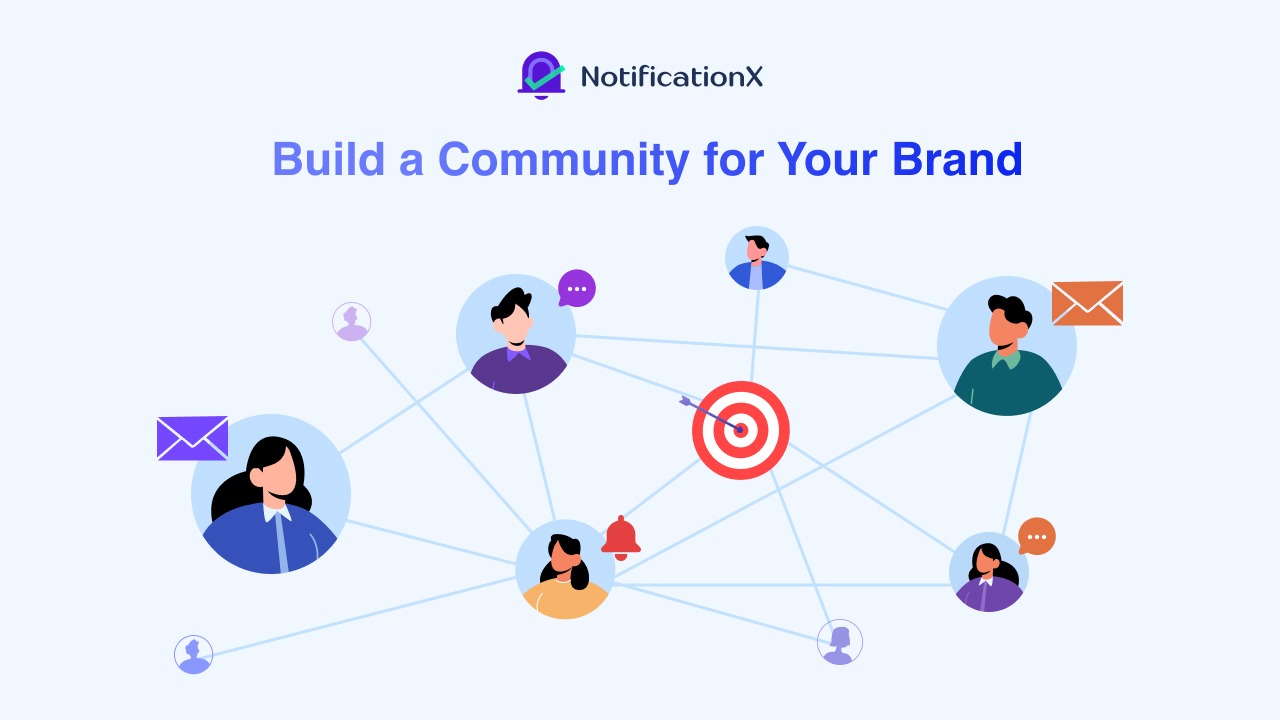
In this guide, you will discover what an online community truly is, why community building for brands matters, the step-by-step blueprint to grow and sustain your community and how this strategy can future-proof your brand positioning in 2026 and beyond.
What Is an Online Community?
An online community is a digital ecosystem where people with a shared interest, passion, or connection to your brand come together to interact, learn, and collaborate. Unlike traditional audience outreach, community engagement is two-way, fostering deeper emotional connections and long-term loyalty. This is the heart of community-led growth. Plus, a sustainable marketing approach that focuses on meaningful relationships rather than one-time conversions.
Take Facebook Groups, for example. Within a single industry or niche, a well-managed group can evolve from a handful of members into a thriving hub of tens of thousands, sharing insights, asking questions, and championing brands they trust. A fitness brand, for instance, might cultivate a group where members swap workout tips, celebrate milestones, and organically advocate for the brand’s products.
Beyond Facebook, platforms like reddit host thousands of topic-specific communities (called subreddits) where enthusiasts go deep on everything from personal finance to indie game development.
Quora similarly brings together curious minds and subject-matter experts, building credibility through knowledge-sharing. Even Discord has evolved far beyond gaming, now powering communities for creators, startups, and Web3 projects alike.
Each of these platforms shows a different flavor of what an online community can look like, but the common thread is the same: people gathering around a shared purpose, fueling conversations that no ad campaign could replicate.
Why Online Community Strategy Is Essential for Brand Positioning
Building an online community does more than grow your follower count. When done right, community building elevates your brand positioning by:
Turning Customers Into Advocates
Community members who feel seen and valued become your best brand ambassadors. They share word-of-mouth recommendations far more effectively than any paid ad. For example, Glossier built its cult following largely through a loyal online community of beauty enthusiasts who organically posted reviews, tagged friends, and created unboxing content that drives more conversions than traditional advertising ever could.
Strengthening Brand Loyalty
A community nurtures online brand loyalty by making customers feel invested in the brand story, reducing churn and increasing lifetime value. Peloton is a prime example: its members do not just buy a bike, they join leaderboards, attend live classes, and celebrate milestones together. That sense of belonging keeps members subscribed for years, even when cheaper alternatives exist.
Enhancing Feedback Loops
Unlike surveys and polls, authentic conversations in a community provide real-time feedback you can use to refine products, messaging and services. Notion, for instance, actively monitors its community forums and Reddit threads, where power users flag bugs, request features and debate workflows. These are the insights the team uses directly to shape product updates.
Expanding Your Reach
Communities often become ecosystems where user-generated content and shared experiences amplify your visibility organically across platforms. LEGO’s fan community is a clear illustration: members share custom builds on Instagram, YouTube, and Reddit, generating millions of impressions that extend the brand’s reach far beyond what any single campaign could achieve.
In short, community building transforms your audience from passive observers to active participants in your brand’s growth.
How to Build an Online Community: Things to Do
While creating an online community, you need to follow a few things. From defining your purpose to choosing the right platform to offering perks and benefits to members, everything you need to follow along the way.
1. Define Your Community Purpose And Audience
Before launching any community strategy, you must clarify:
- Who is this community for? (Professionals, Beginners, Agencies, Business owners, etc.)
- What problem does it solve?
- What transformation does it promise?
Successful communities are built around common goals, not just affinity for a product.
उदाहरण: A high-performance productivity tool brand might build a community for remote professionals seeking time-optimization strategies, rather than merely a group of “app users.” This clear purpose drives deeper engagement.
2. Choose the Right Platforms for Your Community
Selecting the right platform affects your ability to grow and sustain engagement. There are two main community models:
Owned Platforms (Recommended for Long-Term Control)
Owning your platform (whether a private forum on your website, a custom portal, or a WordPress community hub) gives you unmatched control over branding, user experience and data.
This approach aligns perfectly with a brand community development strategy that values long-term growth.
Benefits of Owned Platforms:
- Full data ownership
- Customized member experience
- No algorithm dependencies
- Easier brand integration
You can use tools like forums, membership plugins, live chat modules, or custom hubs to build this experience.
Rented Platforms (Supplementary to Growth)
Platforms like Facebook Groups, Discord, Slack, or LinkedIn are excellent for top-of-funnel engagement and discovery.
Each has a unique advantage:
| Platform | Best For |
| Facebook Groups | Wide reach for consumer brands |
| Discord | Real-time conversations for highly engaged niches |
| ढीला | Professional networking and collaboration |
| LinkedIn Groups | B2B thought leadership and career communities |
While rented platforms are great for early traction, they do not replace your owned community because algorithm changes or restrictions can significantly impact your reach and control.
3. Build an Engagement-Driven Content Strategy
A strong community thrives on value delivery. The heart of any online community strategy is consistent, meaningful content that inspires interaction.
Content That Drives Engagement
- Educational Guides and Tutorials → Solves member problems and builds authority
- Live Q&A Sessions and Webinars → Encourages real-time participation
- Member Spotlights → Increases community pride and belonging
- Challenges and Contests → Boosts interaction and retention
- Exclusive Articles & Downloads → Rewards loyalty and fosters exclusivity
बख्शीश: Use a mix of content formats to keep your audience engaged: articles, videos, live events, polls and forum discussions.
4. Encourage Member-Generated Content
Members do not just consume content; they create it. Encouraging discussions, questions, opinions, testimonials and shared stories activates deeper participation.
Here’s how:
- Ask open-ended questions regularly
- Feature UGC (user-generated content) weekly
- Recognize and reward contributors
- Create dedicated threads or channels for member work
When members contribute, your community becomes more than a broadcast channel. It becomes a living ecosystem.
5. Implement Active Moderation And Clear Guidelines
A community without structure often becomes chaotic or inactive. To maintain quality engagement:
- Set clear community guidelines
- Moderate discussions to maintain respect and relevance
- Appoint trusted members as mentors or moderators
- Address conflicts quickly and transparently
Active moderation ensures both safety and participation. It makes the community a space where members truly feel heard.
6. Integrate a Feedback Cycle for Continuous Improvement
Tracking your community’s performance helps you refine strategy and deliver more value.
Key metrics to monitor:
- Growth rate
- Engagement rate
- Retention rate
- Active member percentage
Use member feedback to inform content decisions, event formats, product development, and long-term community goals.
7. Offer Exclusive Perks to Drive Loyalty
People love belonging to something special. Offer perks that only community members receive:
- Early access to new products
- Member-exclusive discounts
- Private workshops or training
- Monthly expert sessions
Exclusivity drives both emotional connection and long-term retention. It is a cornerstone of brand loyalty through community.
8. Monetize Smartly Without Diluting Value
While the primary goal of an online community strategy is connection and engagement, monetization can follow naturally once trust is established.
Effective monetization options:
- Premium membership tiers
- Paid workshops, courses, or events
- Digital products (e-books, templates, toolkits)
- Affiliate partnerships and sponsorships
Approach monetization only after establishing real value, and your community will thank you for it.
However, once you build a community for your brand, you need to expand it as much as you can. In a scenario like this, NotificationX (the social proof & marketing solution) comes to the table. Let us discuss how NotificationX helps you accelerate your online community building.
How NotificationX Supercharges Your Online Community Strategy
Building a community is only half the battle; making visitors feel the momentum of that community the moment they land on your site is just as important. This is exactly where NotificationX becomes a game-changer.
It displays real-time activity notifications on your website, showing visitors that other people are actively engaging, joining, purchasing and participating.
This psychological nudge bridges the gap between your community’s internal activity and the first impression it makes on newcomers.
Why Social Proof Is Central to Community Growth
Communities thrive on the bandwagon effect. This effect refers to the fact that people join and engage when they see others doing the same. NotificationX makes this dynamic visible. When a potential community member lands on your site and sees:
- “Sarah from New York just joined the community.”
- “14 people signed up in the last 24 hours.”
- “James just downloaded the exclusive member guide.”
…they are far more likely to leap themselves. This is not manipulation; it is authentic social proof working in real time.
Key NotificationX Features That Support Community Building
📣 Real-Time Membership & Signup Alerts: Display live notifications whenever a new member joins your community, registers for an event, or signs up for your newsletter. This creates a constant visual pulse that says: “This community is alive and growing.”
⭐ Review & Testimonial Notifications: Automatically surface positive reviews and testimonials from satisfied community members. Nothing builds trust faster than letting real voices speak for you.
📊 Engagement Notifications: Show recent blog comments, course enrollments, content downloads and forum activity. These notifications reinforce that your community hub is actively used, reducing hesitation for new visitors.
🚨 FOMO Alerts for Exclusive Events: Running a members-only webinar, a live workshop, or a limited-enrollment program? NotificationX’s FOMO-style countdown and activity alerts create urgency that pushes fence-sitters to commit.
📢 Announcement Bars: Use NotificationX’s floating notification bar to promote community milestones (“We just hit 10,000 members!”), exclusive perks, or upcoming events. It keeps both visitors and existing members in the loop.
📈 Built-In Analytics: Track total views, total clicks, and click-through rates for every notification. This data helps you understand which social proof triggers resonate most with your audience and optimize accordingly.
Where NotificationX Fits in Your Community Strategy
| Community Stage | How NotificationX Helps |
| Awareness | Show new member signups and engagement stats to build initial credibility |
| Consideration | Surface testimonials and reviews to overcome hesitation |
| Conversion | Deploy FOMO alerts and countdown timers during enrollment windows |
| Retention | Announce member milestones, new content drops, and exclusive perks |
| Advocacy | Highlight member success stories and UGC through activity notifications |
Community Building for Brands: Future Trends in 2026
As we approach 2026, the landscape of brand community development and online community engagement continues to evolve:
- AI-Driven Personalization: Artificial intelligence will enable more tailored community experiences, helping automate onboarding, content suggestions and member support.
- Micro-niche Communities: Smaller, interest-specific communities will outperform large, broad groups. Members prefer deeper relevance over size.
- Integrated Commerce & Community: Commerce and community will grow even closer when shopping experiences and member discussions blend seamlessly.
- Emphasis on Owned Platforms: Brands will increasingly prioritize owned platforms over rented ones for long-term sustainability and brand authority.
Community Is the New Competitive Advantage
Online communities are more than engagement channels; they are strategic assets that build brand loyalty, advocacy and sustainable growth.
By implementing an intentional online community strategy, brands can:
- Deepen emotional connections with their audience
- Foster brand advocacy and user-generated promotion
- Strengthen brand positioning in competitive landscapes
- Reduce dependence on paid traffic and superficial metrics
The world of marketing is evolving. In 2026, brands with strong digital communities will not just survive, they will lead.
Do not forget to हमारे ब्लॉग को सब्सक्राइब करें for more informational and marketing content. Join our Facebook Community to discuss the latest community trends and discussions.
FAQs (Frequently Asked Questions)
What is an online community?
An online community is a dedicated digital space where people connect, interact and support each other around shared interests — often centered on a brand or purpose.
Why is online community building important for brands?
Online community building fosters deep loyalty, increases engagement and retention, amplifies word-of-mouth marketing and strengthens long-term brand positioning.
What platforms are best for building an online community?
Owned platforms (forums, custom portals) offer long-term control, while Facebook Groups, Discord, Slack and LinkedIn are great for initial engagement and growth.
How do I grow an online community?
Grow your community through valuable content, encouragement of member interaction, cross-channel promotion, and regular engagement activities.
How do you measure the success of an online community?
Track metrics like growth rate, engagement rate, retention, active member percentage, and qualitative feedback from members.
How long does it take to build a thriving community?
Building a highly engaged community typically takes consistent effort and value delivery over 6–12 months.
Can a paid community work?
Yes. Many brands start with a free community and introduce premium, paid tiers once engagement and trust are established.




 English
  Arabic
  Indonesian
  Spanish
  Bengali
  Portuguese
  German
  Dutch
Dutch  Russian
  Hindi
Hindi  French
  Japanese
  Chinese
  Vietnamese
  Malay
Malay